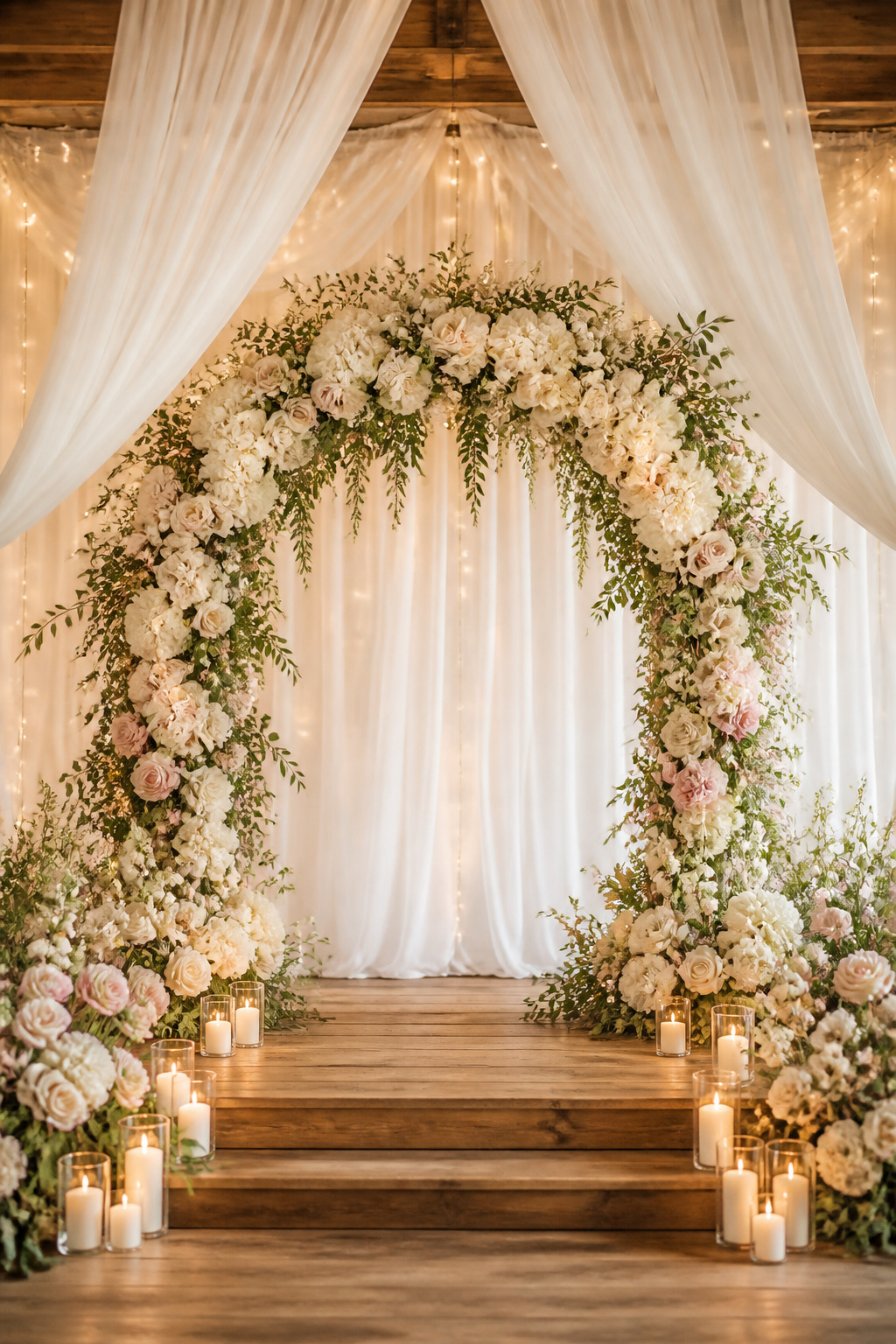
1. Cream Sheer Curtain Wall With Center Tie-Back
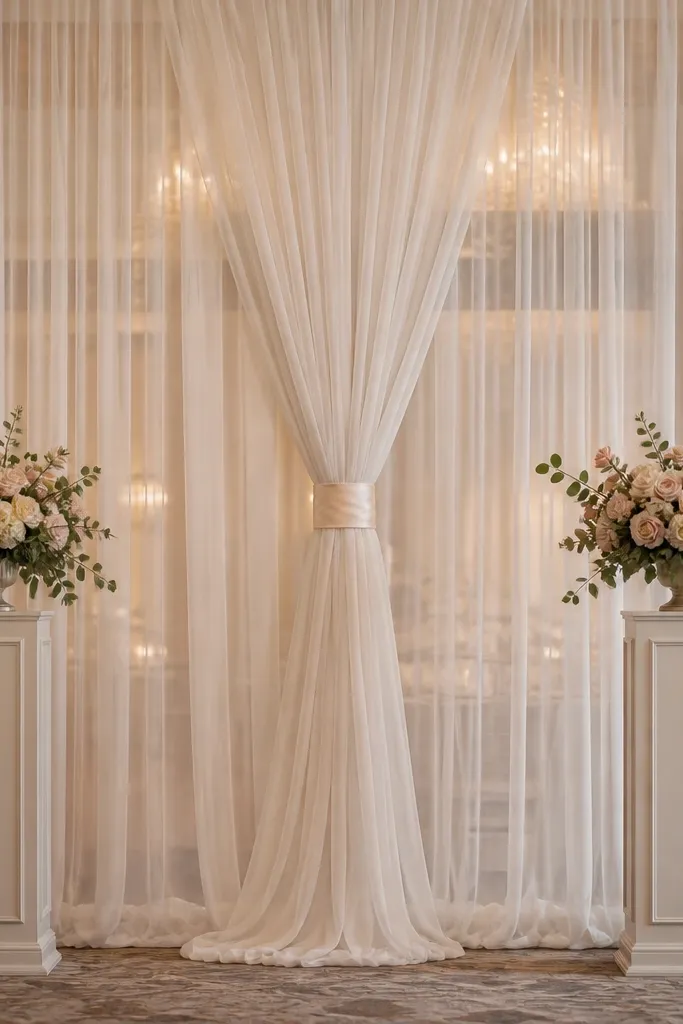
This look is the “clean and romantic” option that reads elegant even when your florals are minimal. Sheer curtains soften harsh venue lighting and make any bouquet color look intentional, especially in cream, blush, or sage palettes. The center tie-back creates a clear focal point for the couple without needing a big, heavy arch. It also photographs well from the sides because the fabric has depth and movement rather than a flat panel.
Quick tipHang the sheer at least an hour before you plan to place florals so the fabric settles and looks full.
Start by choosing a curtain width that covers the stage wall plus overlap — aim for 1.5x the backdrop width so it doesn’t look stretched. Then pack the sheer in a smooth wrap, and bring a steamer or a hanging time buffer so you can remove wrinkles before guests arrive. Finally, plan tie-back hardware: use matching ribbon or pre-cut fabric ties, and secure them with gaffer tape on the back truss or stand.
Skip thisDon’t use stiff, thick fabric — it blocks light and makes the stage look heavy in photos.
2. Charcoal Fabric Drape With Gold Ribbon Bow Corners
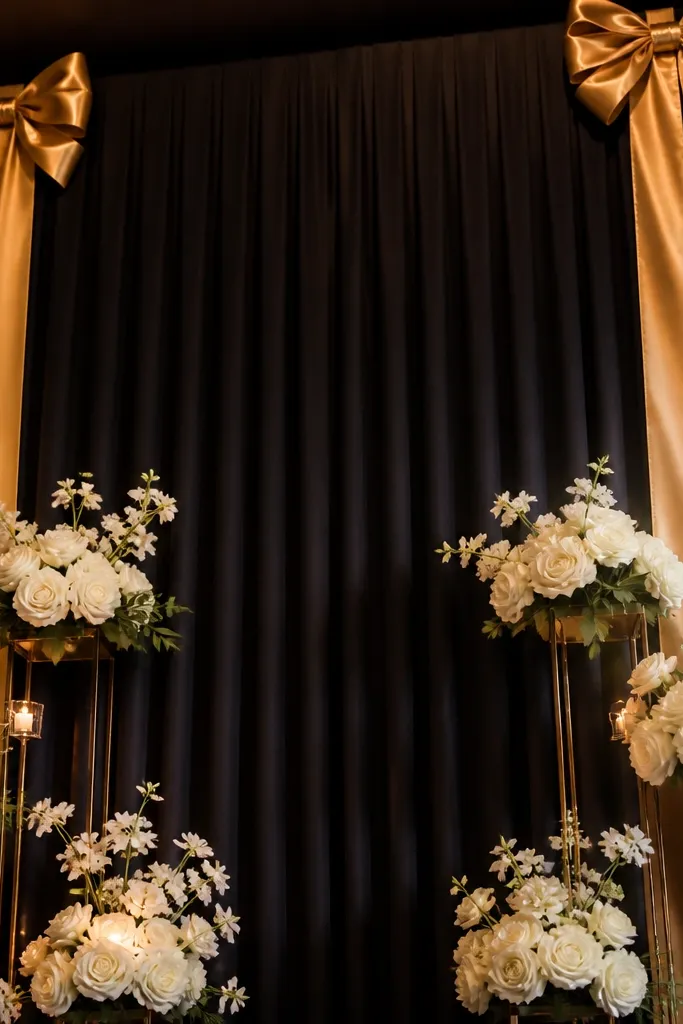
Charcoal fabric gives you instant contrast, which matters when your room lighting is warm or yellow. Adding gold ribbon at the top corners frames the stage like a gift wrap — it’s visible in photos without covering your florals. This backdrop looks especially good with white blooms, cream roses, and metallic accents like gold candle holders. It also hides minor wall imperfections, which is a lifesaver in rented venues.
Start by buying or renting blackout-style fabric in charcoal so it doesn’t show the wall behind it. Then cut a few lengths of gold ribbon and pre-tie them into bow shapes so you can clip or tape them on quickly. Finally, drape the fabric evenly and secure the bottom edge with gaffer tape or weighted clips to stop flutter during speeches.
Use a tension rod or stage clamps if you can — loose drapes look sloppy in wide shots.
Skip thin polyester that shines — it can look plastic under stage lights.
3. Natural Wood Frame With White Linen Panels
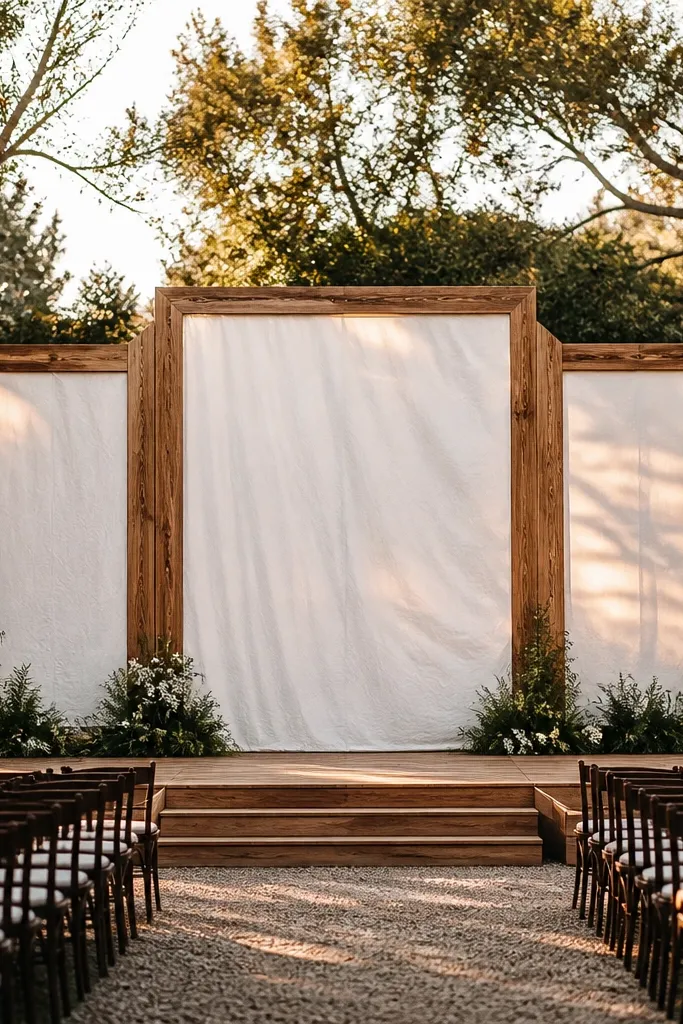
Wood + linen reads expensive without needing a ton of florals. The frame gives a crisp boundary that keeps your stage looking polished from every angle, and linen adds texture that stays flattering in both daylight and indoor lighting. This is a strong choice for garden venues, barns, and hotel ballrooms where you want something warm but not overly themed. It also pairs well with simple installations like a clean floral runner on the floor.
Quick tipBring extra clips — one missing clip can create a visible sag line.
Start by selecting a frame depth that you can pack — look for sectional frames or a collapsible kit. Then stretch linen panels with fabric clips so you can remove them without tearing. Finally, pack linen in a flat garment box or between cardboard sheets to prevent permanent creases.
Skip thisDon’t staple linen directly to cheap frames; it puckers and tears when you remove it.
4. Arch Backdrop Using Sage Green Faux Garland Strips
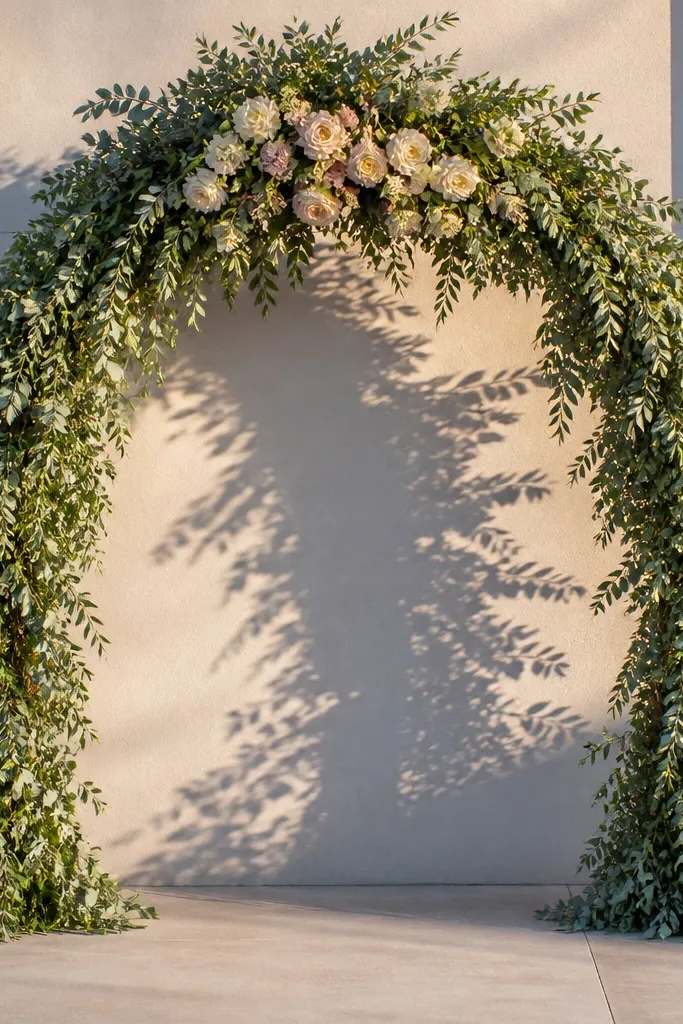
A garland arch is the stage backdrop that looks full without being heavy. Sage green reads soft and modern, and it pairs with blush, cream, and even dusty lavender. Faux garland strips are practical because they’re consistent and less fragile than loose stems. The arch silhouette also guides the eye toward the center, which makes your couple photos look intentional even if your bouquet is small.
Quick tipPlan a “center density” — add extra strips where the couple will stand so the middle looks richest.
Start by building the arch frame first, then attach garland strips in overlapping bands — think horizontal rows that mimic real layering. Then secure each strip with zip ties on the frame so it doesn’t shift when people walk past. Finally, stash it by disassembling the arch into sections and wrapping the garland around the frame pieces to reduce tangles.
Skip thisSkip sparse arches; thin greenery reads cheap in wide reception photos.
5. White Flower Wall Panels On Lightweight Foam
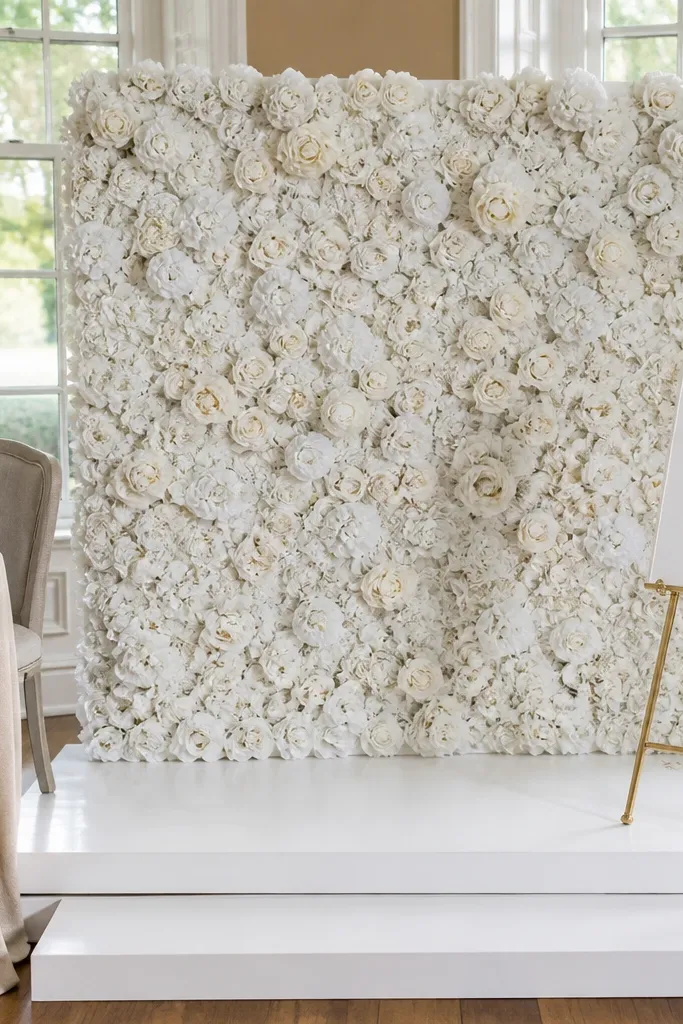
If you want maximum impact without fussing with individual stems, modular foam panels are your friend. A white flower wall makes the reception feel bright and clean, and it photographs well because it reflects light instead of absorbing it. This look is great when you want a simple, neutral stage so your signage and table details can shine too. It also stays consistent even if wind or venue airflow makes loose florals behave badly.
Quick tipAsk the venue where power outlets are — if you’re adding LED uplights, you’ll want them placed before panel install.
Start by measuring your stage width and choosing panel sizes that leave minimal gaps. Then attach panels to a frame or stand using Velcro strips or zip ties through pre-made holes. Finally, pack each panel flat in a rigid box so the petals don’t crush and fade unevenly.
Skip thisDon’t use glossy foam that reflects light — it can create glare spots behind the couple.
6. Macramé Curtain Backdrop With Warm White Bulb String
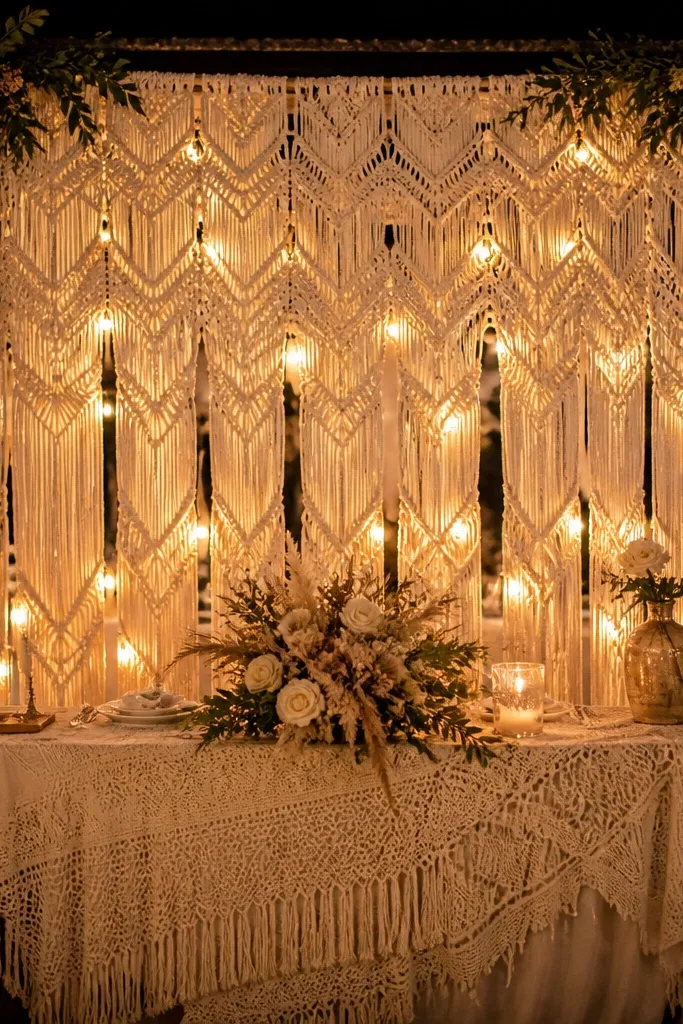
Macramé adds a handmade look that reads cozy and modern, especially in boho-modern weddings. The texture catches light from behind, so it looks dimensional in photos rather than flat. Warm white bulbs add a soft glow that flatters skin tones and reduces harsh shadows. This backdrop works best for evening receptions and venues with dimmer ambient light where the lights can actually show.
Start by choosing a macramé piece with a solid top bar or rod so it hangs evenly. Then attach it to a backdrop stand and clip string lights along the top edge first, testing brightness before you secure everything. Finally, pack lights in a spool bag and keep the macramé folded in a breathable garment bag to avoid tangles.
Use battery-powered warm LEDs if the venue has limited outlets — fewer cables means faster setup.
Skip cool white bulbs; they can make macramé look gray under indoor lighting.
7. Tall Pampas Grass Feathers Flanking a Minimal Cream Banner
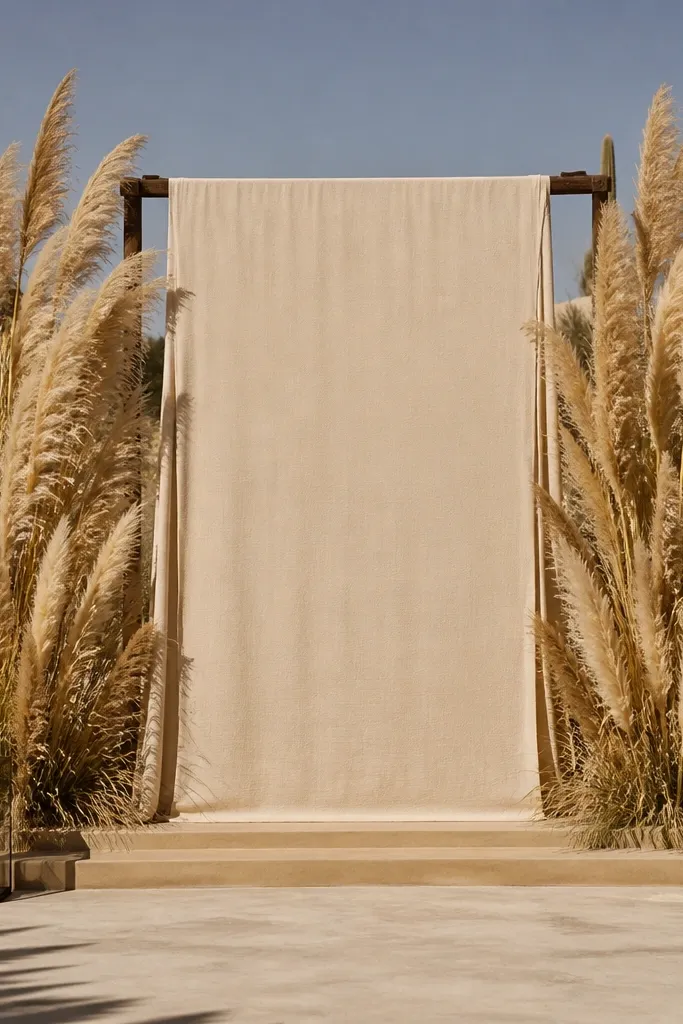
Pampas grass flanks give you height without building a full frame. When you pair it with a minimal cream banner, the stage feels intentional and modern rather than overcrowded. The neutral tan color works with almost every wedding palette, and the feather texture gives movement and softness in photos. This is a great choice for fall and winter receptions where you want warm tones and a calm, editorial backdrop.
Start by selecting 6-10 tall grass stems per side, depending on stage height. Then place them in weighted planters or hidden buckets so they don’t wobble when guests pass. Finally, transport in long bins or suitcases with separators — crushed feathers ruin the look.
Spray a light anti-static mist before setup so the grass doesn’t cling to itself in dry rooms.
Don’t place pampas too close together — you need space so the silhouettes stay readable.
8. Terracotta Ombre Fabric Drapes With White Floral Sprays
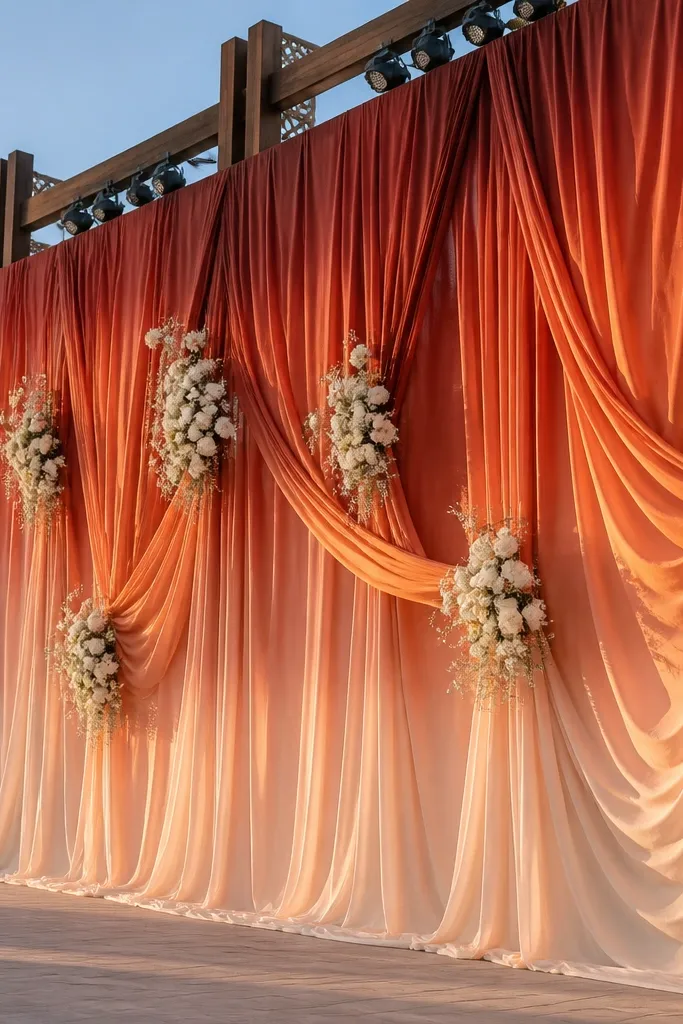
Ombre fabric gives you a gradient that looks styled, even if your floral budget is modest. Terracotta adds warmth that reads beautifully under golden lighting, and it looks striking against white blooms. This backdrop is ideal for outdoor receptions at golden hour and for indoor venues with warm bulbs. It also hides uneven walls because the gradient is forgiving and doesn’t show seams as much as a flat color panel.
Start by choosing an ombre fabric width that covers the stage area with overlap — aim for 1.3-1.6x coverage. Then secure it with gaffer tape at the top and use fabric weights at the bottom corners so the gradient doesn’t twist. Finally, pack the fabric rolled around a tube to reduce creases, then unroll on-site and smooth from the center outward.
Bring a small steamer and a lint roller — fabric fuzz shows up under stage lights.
Skip fabric that sheds — it will collect on florals and table linens during setup.
9. Black Velvet Backdrop With Blush Rose Clusters
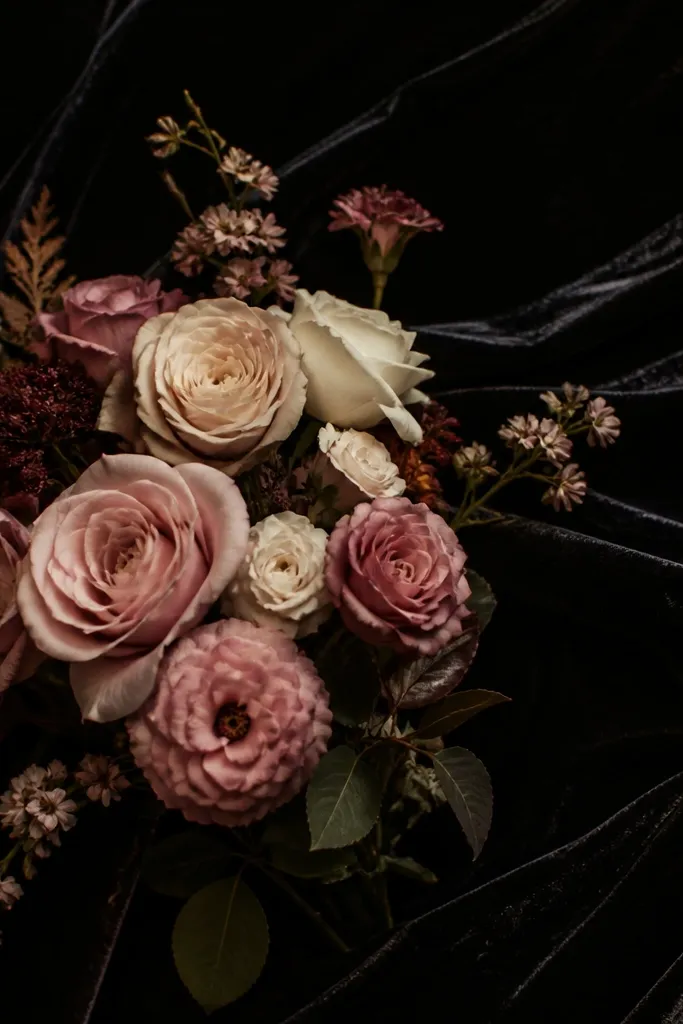
Black velvet makes flowers look richer and gives your stage that high-contrast editorial vibe. Blush roses and cream accents pop hard against velvet, and the texture softens shadows instead of reflecting glare. This works best for evening receptions, especially in ballrooms where the lighting is dim and warm. If your wedding has black tie touches or modern stationery, this backdrop will match the mood.
Start by using velvet panels with a matte finish so they don’t reflect spotlights harshly. Then attach rose clusters in a vertical grid — concentrate at the center and taper outward to prevent a blocky look. Finally, pack velvet flat in a breathable garment cover and keep it away from zippers that can leave marks.
Use fabric clips instead of tape on velvet if you plan to reuse it — tape can pull fibers.
Don’t skip a center anchor — without it, clusters drift and the backdrop looks random.
10. Gold Framed Mirror Look With White Floral Garland
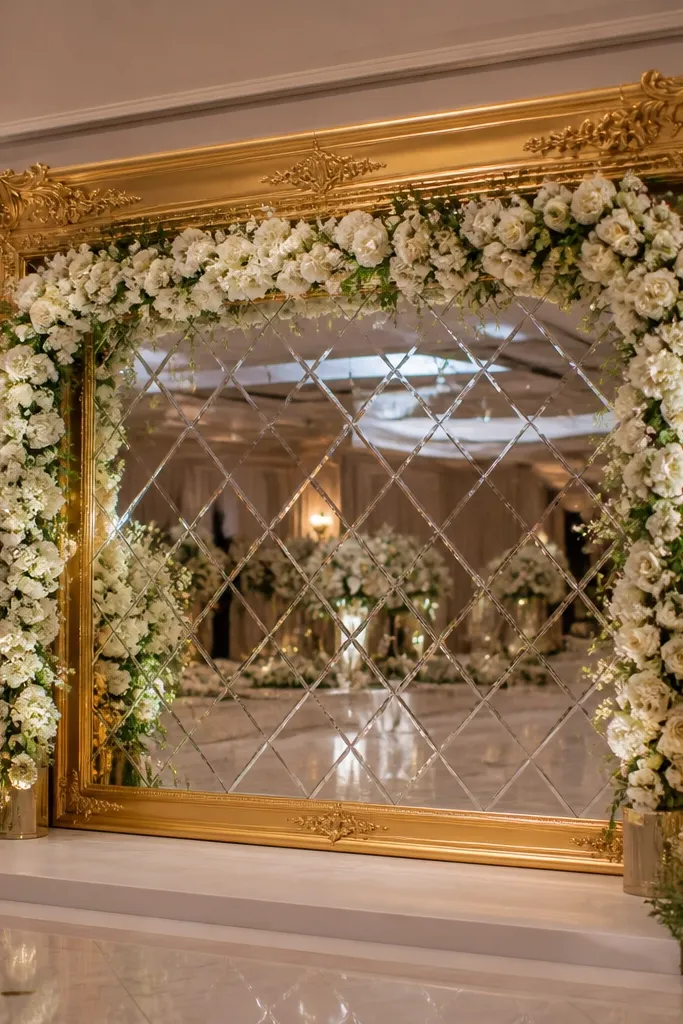
A mirror-style backdrop instantly makes the stage feel styled because it reflects light and expands the visible space. Even when the mirror is fake or decorative, the gold frame gives structure and a photo-ready centerpiece. White floral garland keeps it bright and wedding-appropriate rather than dramatic. This look is perfect for receptions where you want more “wow” without adding a huge amount of height.
Start by choosing a lightweight mirror panel or framed board that you can hang securely. Then drape white garland across the center and down both sides, leaving the frame edges visible so the gold reads in photos. Finally, pack it in a corner-protected box with foam sheets — frames get scuffed fast.
Test placement with the venue’s lights so reflections don’t point glare at guests' faces.
Avoid glossy surfaces without matte lighting control; glare can ruin pictures.
11. Geometric White Lattice Panels With Greenery Runner
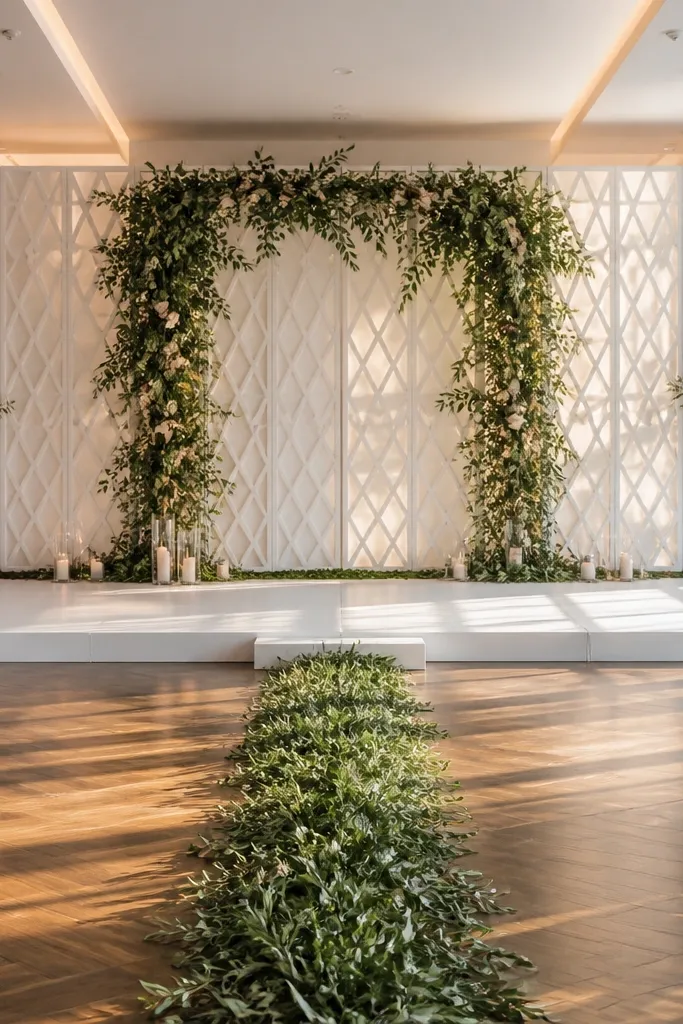
Geometric lattice looks crisp and architectural, which makes it a strong choice for modern weddings. The white background keeps the stage bright, while the greenery runner adds organic softness. This backdrop is great when you want something photogenic that doesn’t depend on large floral quantities. It also works well for couples who want a clean, structured vibe with minimal color palette.
Quick tipUse a level — even a slight tilt shows up immediately in lattice photos.
Start by assembling lattice panels with a frame or stand so the pattern stays straight and doesn’t bow. Then place a greenery runner across the center line — use a mix of long vines and compact stems so it looks layered. Finally, pack lattice panels flat with edge protectors and keep them dry to prevent warping.
Skip thisDon’t overload the grid; too many florals cover the geometry and flatten the look.
12. Pastel Balloon Garland Strip Over a Soft Fabric Backdrop
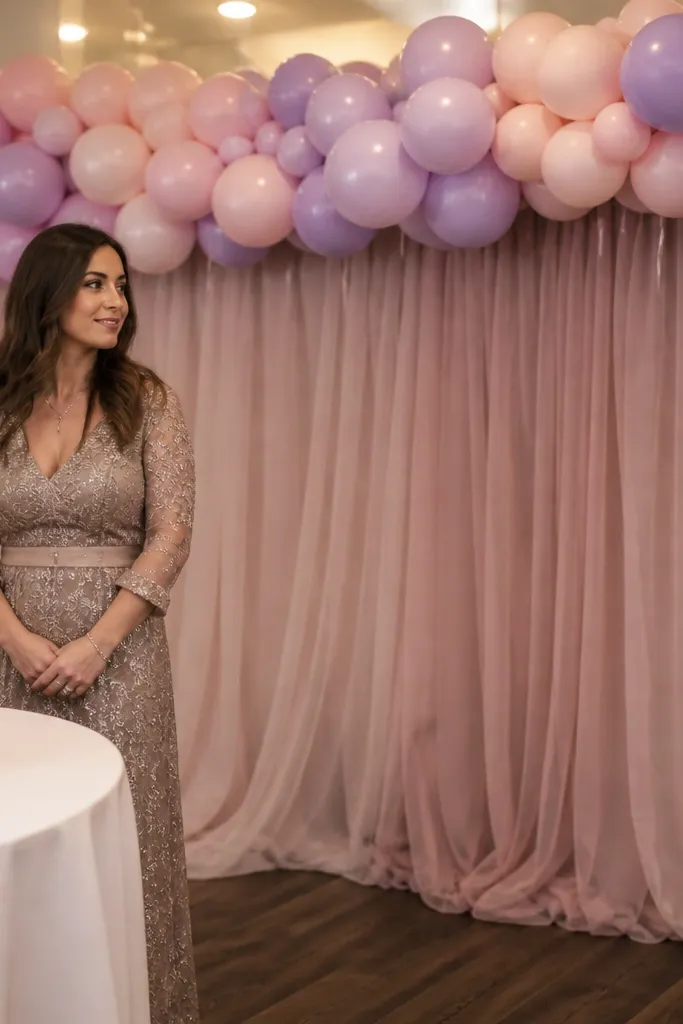
Balloon garlands can look grown-up when you keep the palette tight and the placement deliberate. Pastels like blush, powder blue, and pale lavender create a dreamy reception vibe, and the strip format keeps it from feeling childish. Pair it with a soft fabric backdrop so the balloons don’t look like they’re floating in empty space. This is a strong option for indoor receptions where you want color that pops in photos.
Quick tipInflate 1.5-2 hours before photos to keep balloons full without waiting too long.
Start by choosing a fabric backdrop color that matches one balloon shade — cream or blush works well. Then build a balloon strip using pre-made clusters or a balloon strip kit so the spacing stays even. Finally, transport balloons as deflated shells or packed kits, inflate on-site, and secure with clear fishing line to minimize visible knots.
Skip thisSkip random balloon scattering — it looks messy in wide shots.
13. Faux Floral Ring Arch With Hanging Crystal Strands
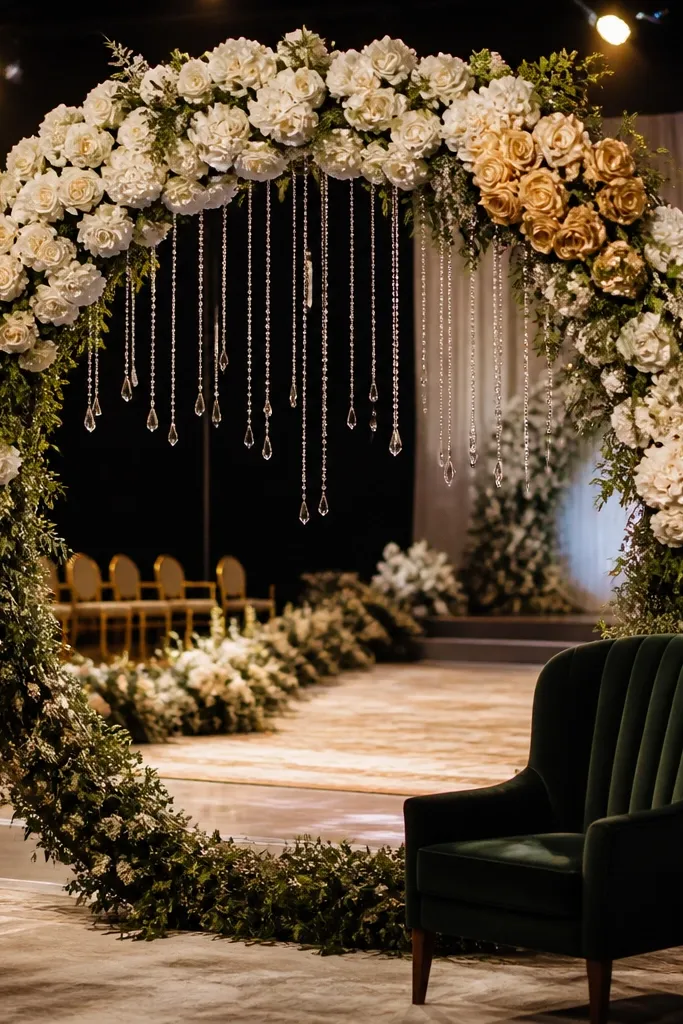
This is the “party energy” backdrop that still reads elegant. The ring arch gives a modern shape, and hanging crystal strands add sparkle without needing heavy chandeliers. Use neutral flowers like white or ivory plus one accent like champagne or pale gold so the crystals do the work. It looks best under spotlights and uplighting because the strands catch light as guests move.
Start by assembling the ring arch frame and attaching faux floral around it in a continuous band. Then add crystal strands at staggered lengths so you get depth rather than one flat line. Finally, pack the arch in sections and keep crystal strands in separate bags to prevent tangling.
Bring spare cable ties and test one strand length at the venue before hanging the rest.
Don’t hang crystals too low — they can get in the camera line behind the couple.
14. Teal Velvet Panel Backdrop With White Calla Lily Sprays

Teal velvet is a color move that looks rich on camera and still feels classy. White calla lily sprays bring a clean, sculptural look that doesn’t need lots of small petals. This backdrop is great for indoor receptions with warm lighting because teal holds color instead of turning gray. It also pairs beautifully with gold or brass candlesticks and clean table linens.
Quick tipUse matte brass or gold accents, not shiny chrome — it clashes with velvet tones.
Start by measuring the stage wall and deciding panel count — two large panels look smoother than many small ones. Then anchor calla sprays in a center cluster with a few pieces extending outward so it has a natural spread. Finally, pack velvet panels flat with tissue between fold points so you don’t get permanent creases.
Skip thisSkip cheap plastic-looking callas; the stems look obvious in close photos.
15. Sculptural Bamboo Frame With White Fabric Panels
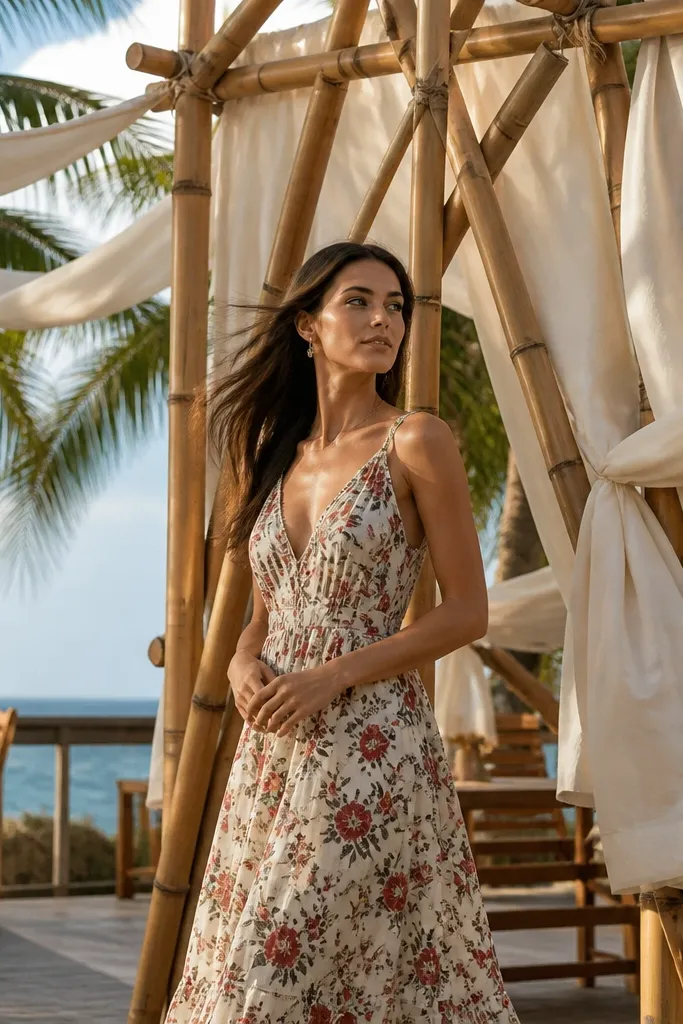
Bamboo frames bring texture and height without looking heavy. White fabric panels keep it wedding-appropriate and prevent the bamboo from dominating the color story. This backdrop works well for destination weddings and warm climates because it feels airy and natural. It also photographs well in outdoor settings where the background has greenery or sky.
Start by choosing bamboo poles that are sturdy enough for a freestanding or clamped setup. Then attach white fabric with ties or clips so it drapes naturally and doesn’t wrinkle in hard lines. Finally, pack by disassembling poles and wrapping fabric around a soft tube to keep it smooth.
Bring zip ties and a small roll of twine — bamboo knots can loosen if the venue is humid.
Don’t use thin fabric that clings — it shows wrinkles and makes the bamboo look messy.
16. White Oversized Floral Bouquets Asymmetry Wall
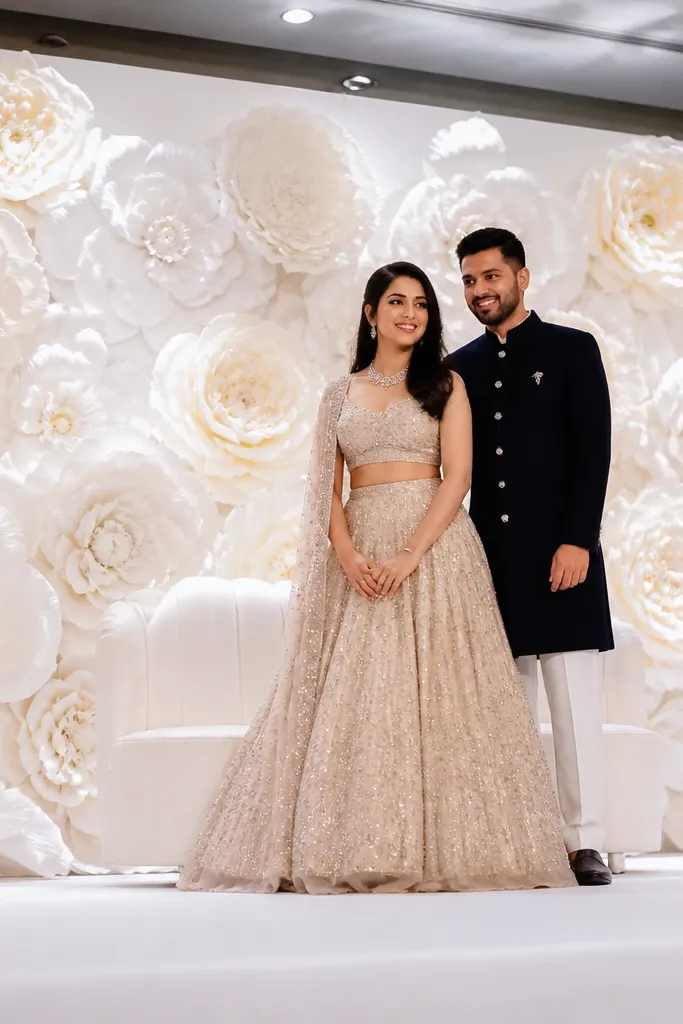
Oversized bouquet shapes create a bold, fashion-editorial stage without building a complicated frame. The asymmetry keeps it modern and prevents the backdrop from looking like a template. White flowers keep it bright and timeless, and the scale makes it readable from across the room. This is a great choice when you want a strong visual behind the couple but don’t want a full wall of tiny petals.
Quick tipKeep a clear negative-space gap in the middle so the couple doesn’t disappear into the flowers.
Start by planning the placement: one larger bouquet on one side and a smaller cluster balancing it on the other. Then attach bouquet pieces to a lightweight backing panel or grid so the shape stays crisp. Finally, pack bouquet pieces in rigid boxes and label left/right to avoid mixing sizes at setup.
Skip thisAvoid perfectly centered symmetry if you want the look to feel styled, not standard.
17. Sand-Colored Linen Backdrop With Woven Rattan Fans
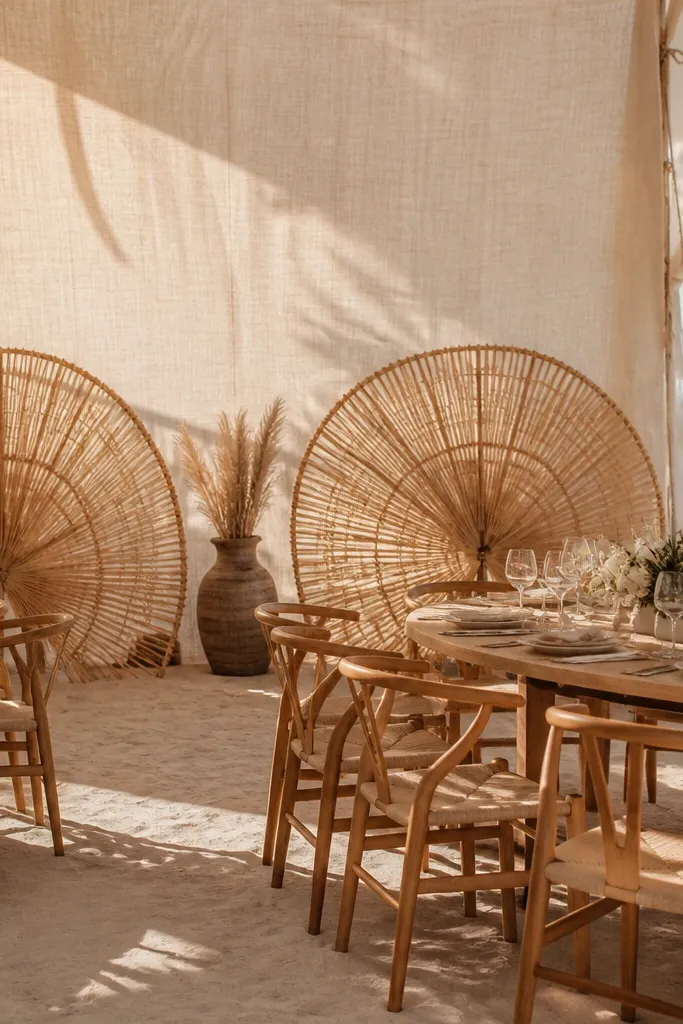
Rattan fans add a graphic, handmade texture that looks great in close-ups and wide shots. Sand-colored linen keeps the backdrop neutral and warm, so the fans stand out without fighting your florals. This look is perfect for beachy, desert, or modern boho weddings where you want texture instead of lots of color. It also works well for daytime receptions because the woven patterns catch light naturally.
Start by stretching sand linen across a frame and ensuring it’s taut enough to avoid sag lines. Then mount rattan fans in a staggered pattern — taller fans near the center, shorter toward the edges. Finally, pack fans in flat layers with tissue between them so the weave doesn’t crease.
Bring a small brush for dust — rattan shows lint under bright venue lights.
Skip fans that are too small; tiny fans get lost behind a couple’s height.
18. Monochrome Black-and-White Photo Strip Backdrop
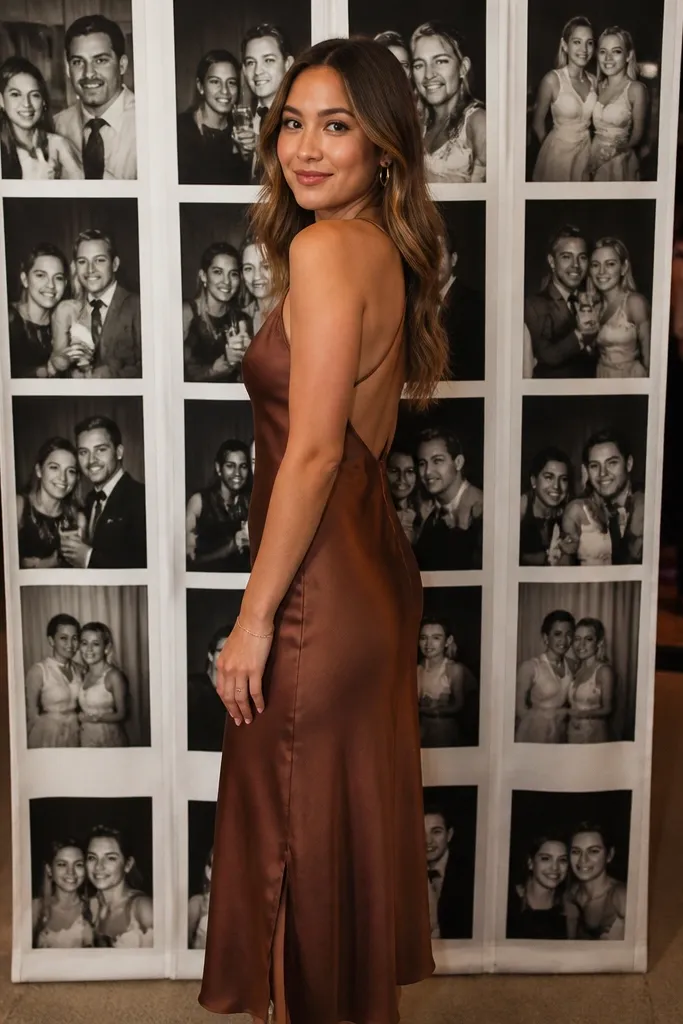
This one is for couples who want a reception stage that feels personal and modern without using a giant floral wall. A monochrome photo strip backdrop reads graphic and looks great in evening lighting because the contrast is strong. Keep the photos consistent in tone and size so the backdrop looks designed, not messy. It’s also a smart option for venues with limited ceiling height since you can build it as a flat wall.
Quick tipPrint with matte paper; glossy prints reflect overhead lights and wash out faces.
Start by selecting a single photo style set — black and white, same aspect ratio, and similar contrast. Then mount them on a backing board or lightweight panels with even spacing and straight alignment. Finally, pack flat panels in a rigid case and bring a small level and tape measure for quick placement.
Skip thisDon’t mix different photo sizes — uneven grids look chaotic in wide shots.
19. Ivory Curtain Backdrop With Hanging Dried Flower Sprays
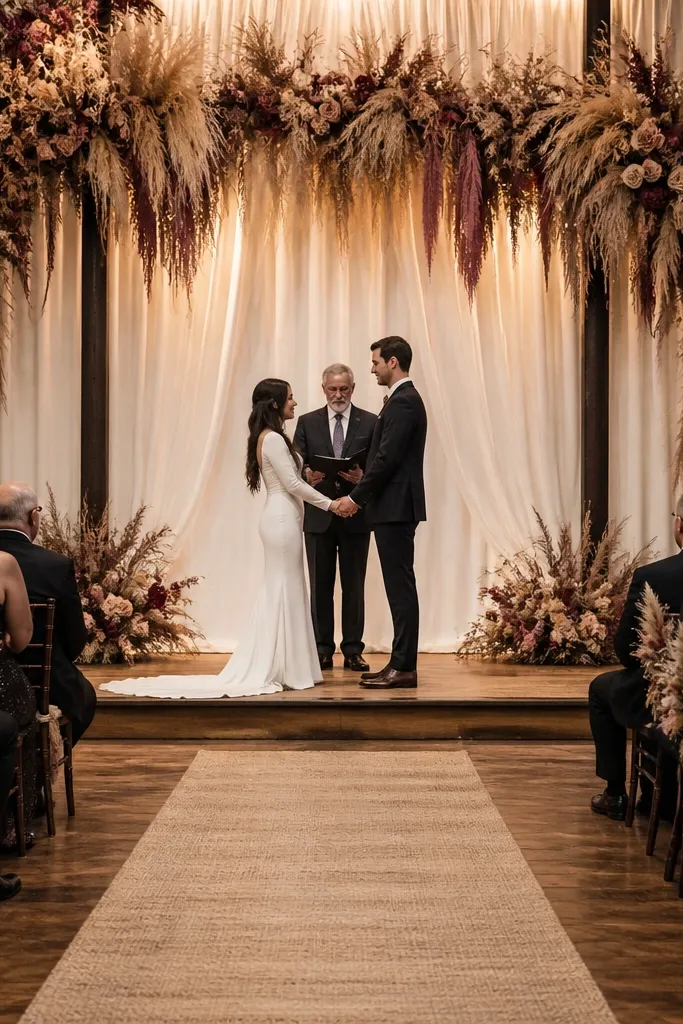
Dried flower sprays add movement and a soft, vintage texture that looks stunning under warm indoor lighting. Ivory curtains keep the stage bright, and the hanging sprays create a layered effect that feels expensive. This backdrop works best for fall and winter weddings because dried tones — wheat, blush, mauve, and deep green — look natural. It also photographs well from above, which matters for reception group shots.
Start by hanging the ivory curtain first so you can measure where the sprays will fall without hitting signage. Then attach dried sprays with clear fishing line so you can adjust length quickly on-site. Finally, pack dried elements in individual sleeves to avoid snapping stems and crushing petals.
Bring a lint roller and brush — dried florals collect dust fast in storage.
Don’t let sprays swing freely; secure them enough that they hang still during photos.
20. White Oversized Framed Window With Greenery Vines
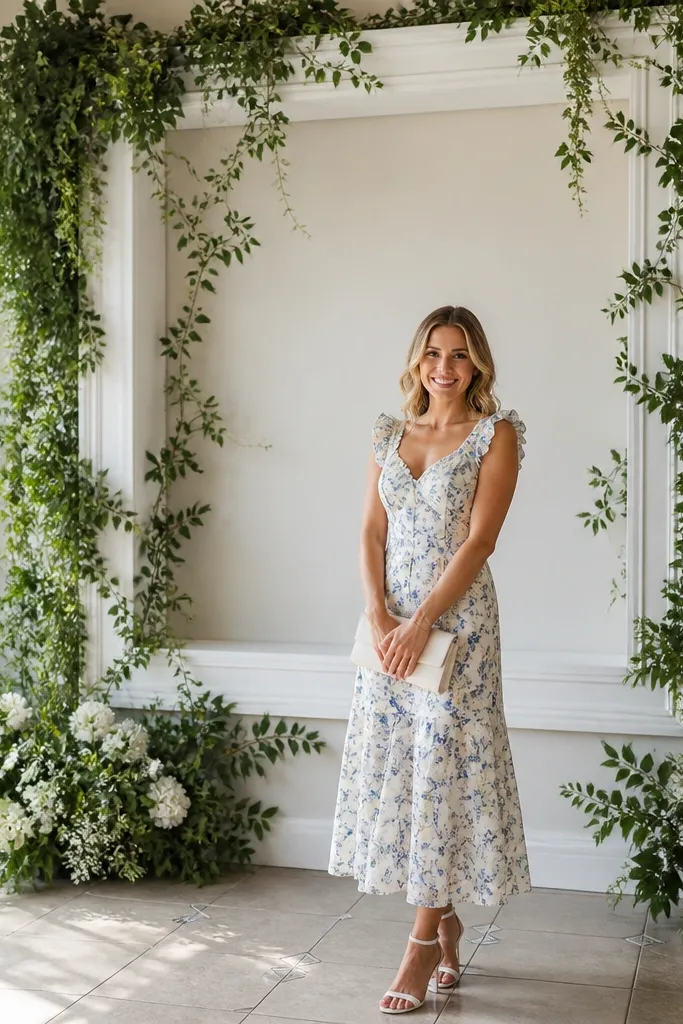
A window-style frame creates instant depth and a story-like composition behind the couple. When you add climbing greenery vines, it feels like you’re framing a garden view even if the venue is indoors. White framing keeps it clean and makes the vines look fresh instead of dull. This backdrop is great for ceremonies that turn into receptions in the same spot because it works for both day and evening photos.
Start by choosing a window frame size that matches your stage — measure the couple’s standing height and leave headroom. Then attach greenery vines in vertical lines so the frame’s edges guide the composition. Finally, pack the frame flat or in sections and keep vines in breathable sleeves to prevent crush marks.
Use zip ties hidden behind the frame rails; you’ll get a clean look without visible knots.
Skip tangled vines — detangle before attaching so the pattern looks intentional.
21. Pink Blush Step-Repeat Panel Wall With Fabric Ruffles
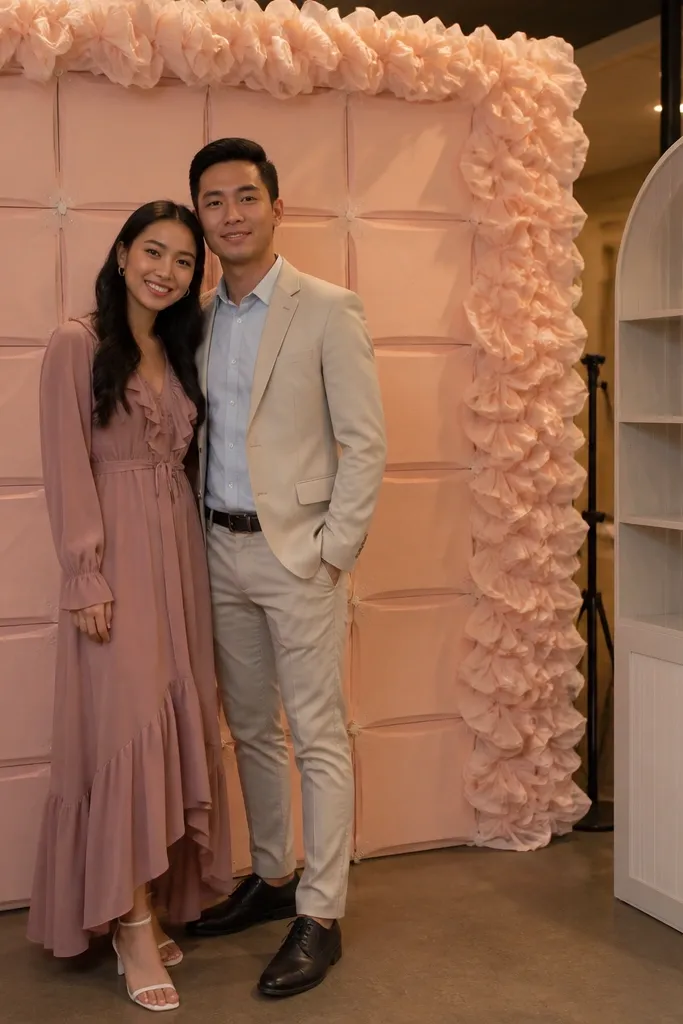
A step-repeat panel wall gives you a designed, modern backdrop that reads well in party photos. Blush pink keeps it romantic without going too sweet, and ruffles add softness without building a full floral wall. This look is perfect for receptions with a photo booth or a designated couple photo spot. It also works indoors because the panels can be placed at a consistent height for group shots.
Quick tipUse painter’s tape marks on the floor so your grid stays straight even if you’re rushing setup.
Start by picking panel sizes that create a clean grid across your stage — measure and mark alignment points. Then add fabric ruffles along panel edges so the texture shows even when the camera is far back. Finally, pack panels flat and store ruffles separately so they don’t compress into ugly lines.
Skip thisDon’t choose a blush that’s too close to your florals — the backdrop and flowers blur together.
22. Deep Navy Fabric Backdrop With Gold Geometric Wall Inserts
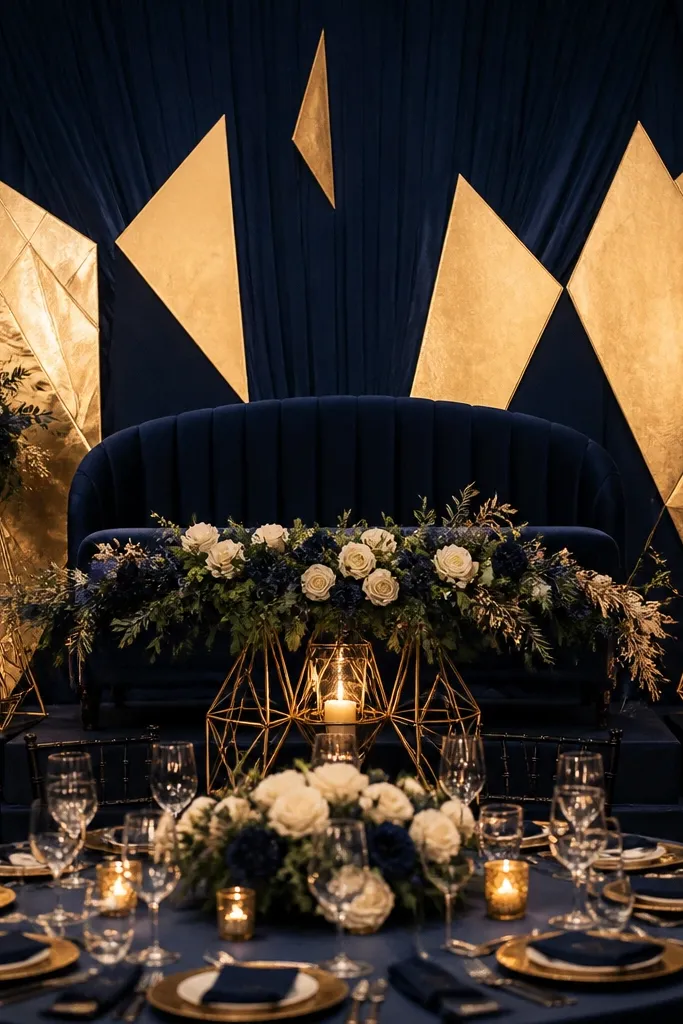
Deep navy is dramatic, and gold geometric inserts make it feel styled without relying on heavy florals. The shapes create a clean visual behind your couple, so even simple centerpieces look more finished. This is a strong match for fall weddings, winter receptions, and modern stationery suites. It photographs well because navy absorbs stray light while gold adds controlled highlights.
Quick tipTest one insert under the venue lights — if it flares glare, swap to a matte gold finish.
Start by hanging navy fabric taut so the background looks smooth, not wrinkled. Then mount gold inserts in a repeating pattern — keep them centered and slightly staggered for depth. Finally, pack inserts in rigid sleeves and keep hardware in a labeled zip pouch so you can assemble fast.
Skip thisSkip shiny metallics unless you control lighting; glare can blow out details.
23. Champagne Tulle Cascade Curtain With Hanging Pearl Strings
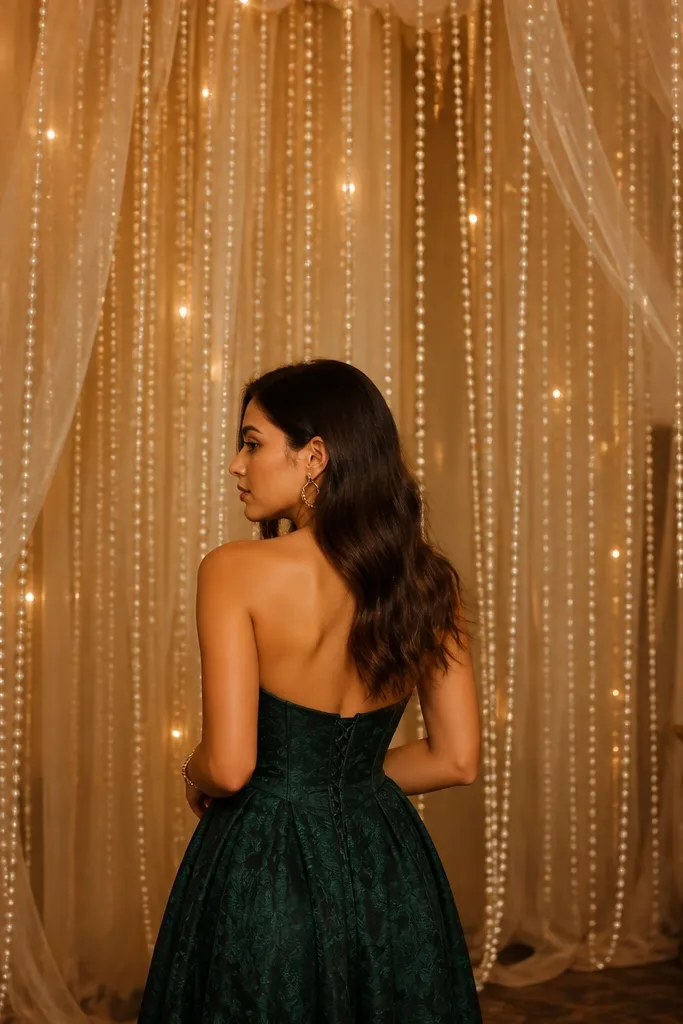
Champagne tulle cascades read soft and luxe, and hanging pearl strings add a classic sparkle that doesn’t look costume-y. This backdrop is especially flattering for evening receptions, where the pearls catch light as guests move. The cascade style also hides uneven walls because the fabric drapes naturally over imperfections. If your wedding palette includes champagne, ivory, or pale gold, this backdrop will match without extra color work.
Start by hanging a base curtain panel and letting the tulle cascade from a top rod or frame. Then attach pearl strings at staggered heights so they create a shimmering curtain effect. Finally, pack tulle folded in large sections with tissue between layers to prevent snags and permanent creases.
Use pearl strings with secure end weights so they hang straight instead of tangling.
Don’t bunch tulle too tightly — tight folds look wrinkled and cheap in photos.
24. Olive Green Layered Fabric Panels With White Flower Dots
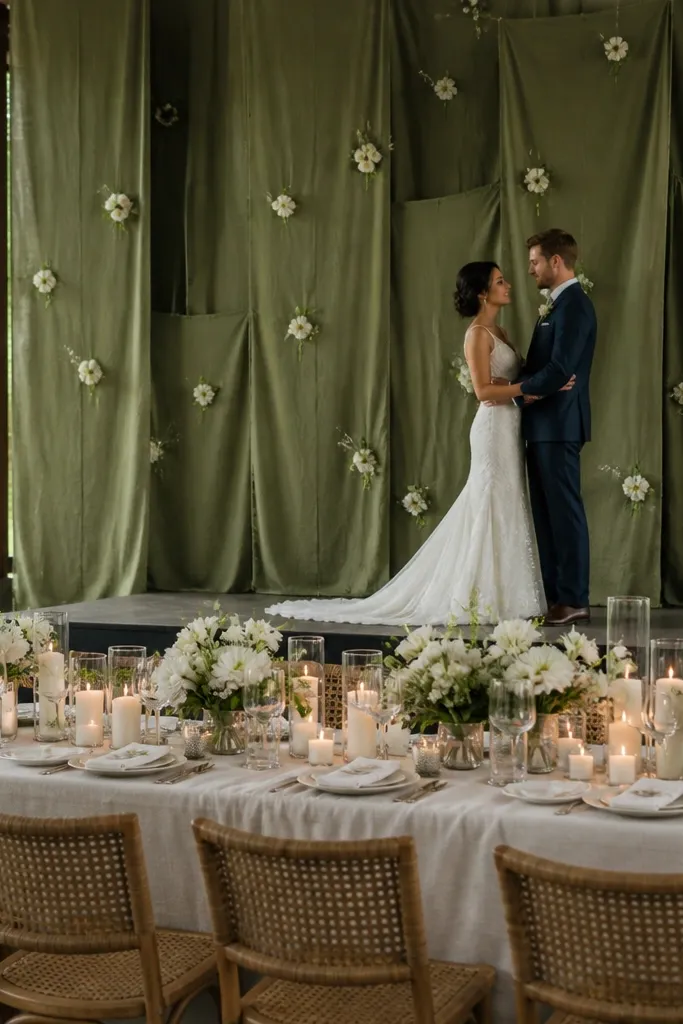
Layered fabric panels create depth without needing a full floral wall. Olive green is earthy and flattering in daylight, and the white flower dots keep the stage bright and readable. This look is great for rustic-modern weddings where you want texture but not a heavy, traditional feel. It also works well for receptions with lots of table candles because the backdrop doesn’t fight the glow.
Quick tipKeep cluster spacing consistent — uneven dots look accidental and reduce the “designed” feel.
Start by hanging two layers of olive fabric — one sheer or lighter olive behind, then a darker olive layer in the front for dimension. Then place white flower clusters at deliberate intervals instead of covering the whole surface. Finally, pack fabrics rolled separately and store flower clusters flat so petals don’t crush.
Skip thisAvoid random scatter placement; it reads cluttered in wide shots.
25. Frosted Glass Window Backdrop With Silver Vines
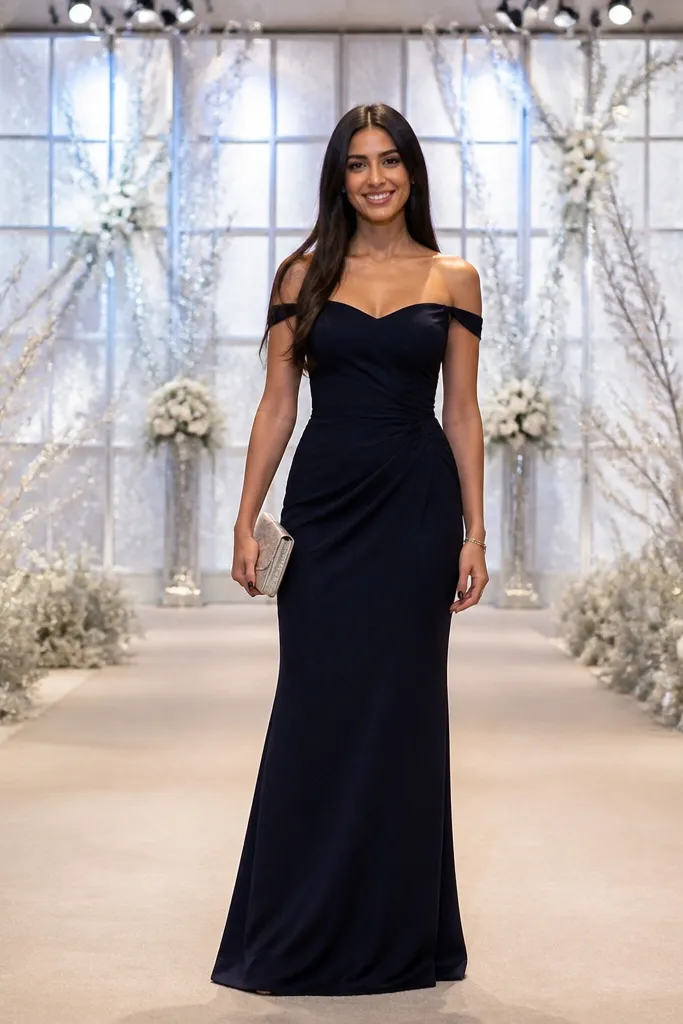
This backdrop looks like a soft winter greenhouse wall, with frosted window panels that catch light without turning harsh. Add silver vine garlands that drape down in loose arcs, then tuck in small white blooms at three heights so it reads clearly in photos. The frosted surface makes skin tones look smoother and keeps stage lighting from blowing out faces. It suits couples who want a clean, modern backdrop that still feels romantic, especially for evening receptions with warm string lights. I’d use it for late fall through early spring because the palette and texture feel intentional against cooler outdoor light.
Quick tipPack a small roll of clear command hooks and extra zip ties — frosted panels can be slippery, and you’ll thank yourself for having backup fasteners.
1) Get the look with a modular frosted acrylic or plastic window panel set (about 4 feet wide per panel) and attach silver faux vine garlands using zip ties or clear floral wire through the frame. Place the vines so they form two diagonal drapes and one central drop, then add small white blooms on the centerline and at the bottom corners. 2) Build it on-site with a lightweight backdrop frame or a wall-mounted track, depending on your venue rules; plan for 15-20 minutes of assembly and 5 minutes of touch-ups before guests arrive. 3) Budget roughly $250-$450 for the panels and vines if you rent nothing, or $120-$250 if your rental company has frosted panel sections. Book the panels and frame at least 3-4 weeks ahead, and confirm whether the venue allows freestanding frames or requires weights.
Skip thisDon’t skip a test photo with your actual venue lights; frosted panels can go too bright if you’re under cool LED lighting.