1. Emerald Anarkali With Mirror Work at the Yoke
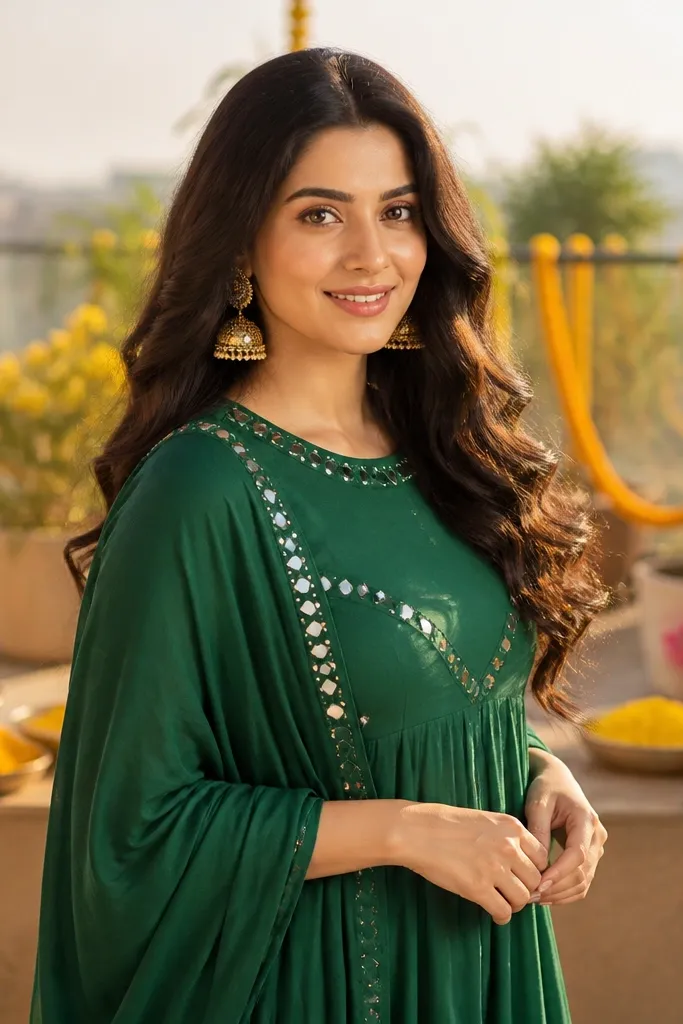
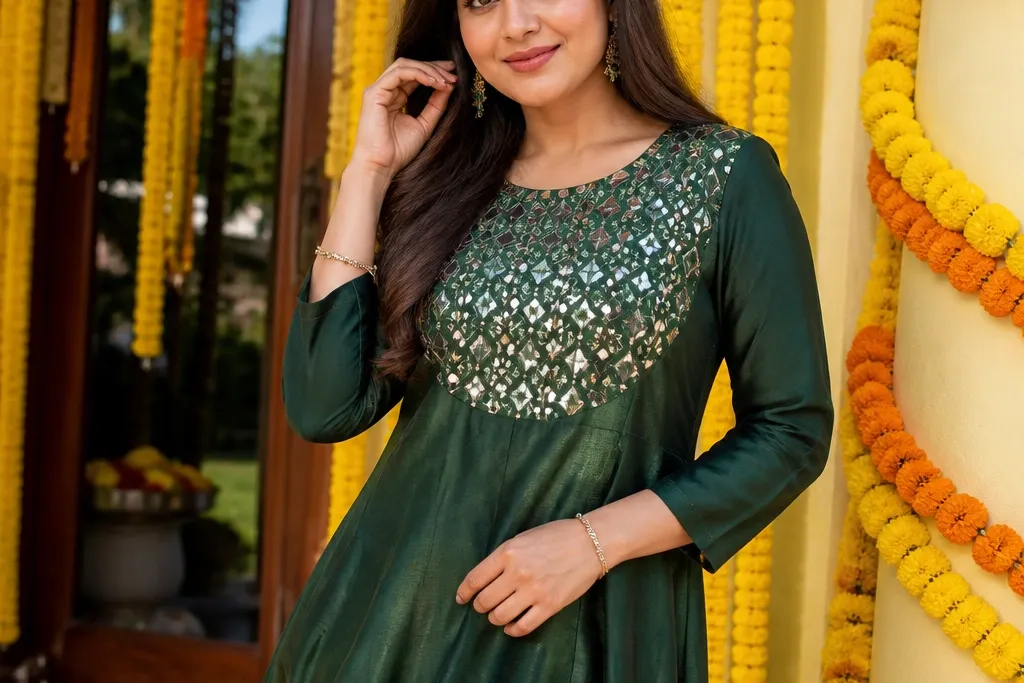
Go for an emerald anarkali because deep green stays strong in bright Haldi daylight and doesn’t get washed out by warm decor. The look works when the embellishment is concentrated at the yoke or upper bodice, not scattered across the whole dress. Mirror work at the neckline and upper seams catches light as you move, which is exactly what Haldi photos need. Pair it with a simple dupatta so the face area stays clean and the outfit reads polished even if the fabric is budget-friendly.
Quick tipAsk for the dress length to hit just above the ankle for the most flattering movement photos.
Start by choosing an emerald base in cotton-silk or cotton with a slight sheen. Then look for mirror work only at the yoke, collar, or first few inches of the bodice, and keep the rest of the dress plain. Finally, add a chiffon or georgette dupatta in the same shade or a matching deep teal, and hem it cleanly so it falls straight in photos.
Skip thisAvoid all-over mirror work — it can look messy and reflect yellow light too strongly.
2. Maroon Straight Kurta With Scalloped Lace Hem
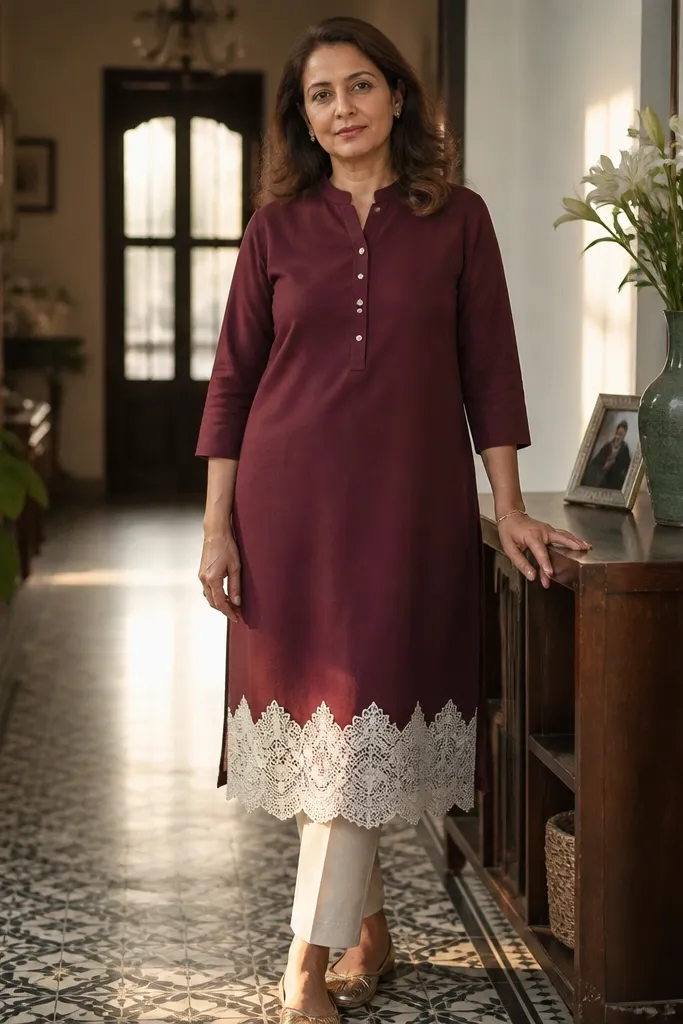
A maroon straight kurta looks rich without needing heavy fabric. The straight cut keeps it neat, while scalloped lace at the hem adds a soft edge that photographs beautifully. This is a great on a budget haldi dress idea if you’re worried about looking too “casual” — the lace gives a finished border. It also works well for venues where you’ll be seated and standing in quick cycles; the silhouette stays tidy.
Start with a maroon kurta that has a structured collar or a clean round neck. Then choose scalloped lace detailing at the hem and sleeve cuffs only, so it doesn’t overwhelm the look. Finally, wear it with matching solid leggings and a lightweight dupatta draped over one shoulder to keep the outfit balanced.
Choose lace with a slightly thicker thread so it doesn’t look see-through in daylight.
Skip very thin lace — it can disappear in photos and look uneven.
3. Deep Teal Wrap Dress With Belted Waist
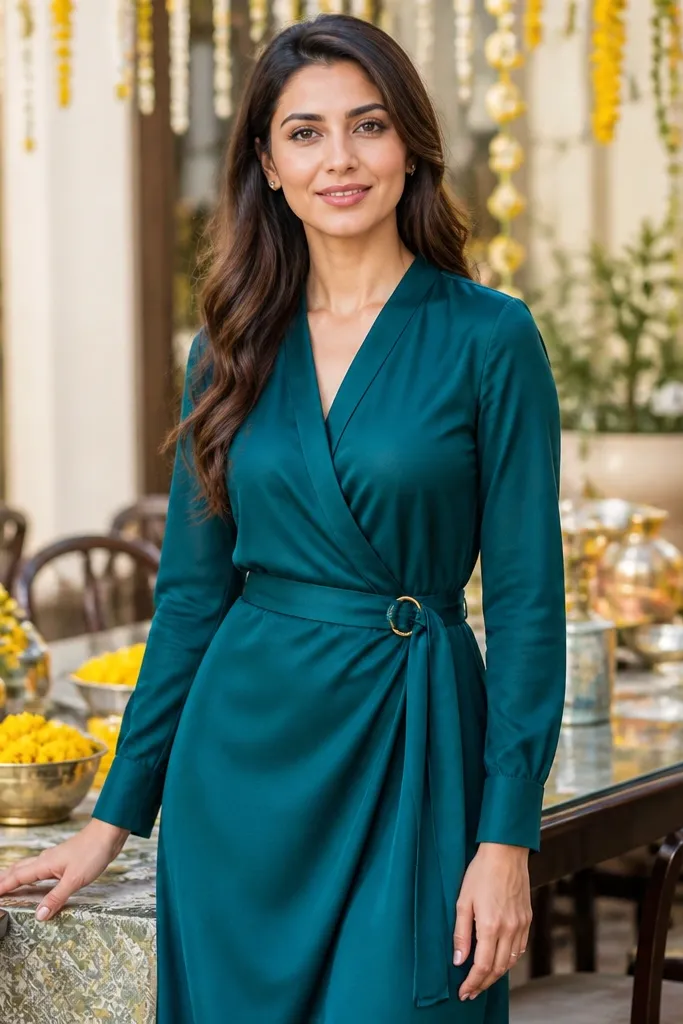
A wrap dress in deep teal gives you shape without needing expensive tailoring. The wrap neckline frames the face, and the belt creates a clear waist line that holds up in busy Haldi movement. This style is also forgiving if you’re not sure about fit because you can adjust the wrap tie. For photos, teal against yellow decor looks crisp and high-contrast, which makes the dress stand out.
Start by selecting a deep teal base in cotton-poplin or cotton-silk with a medium drape. Then make sure the wrap has a real tie belt or stitched waist band so the dress doesn’t gap in photos. Finally, add minimal trim at the sleeve edge or neckline and keep the dupatta plain, so the belt remains the focal point.
Bring a small safety pin for the wrap overlap so it stays neat while you dance.
Avoid chiffon-only wrap dresses — the tie can slip and the neckline can gape.
4. Dusty Rose A-Line Dress With Embroidered Neckline
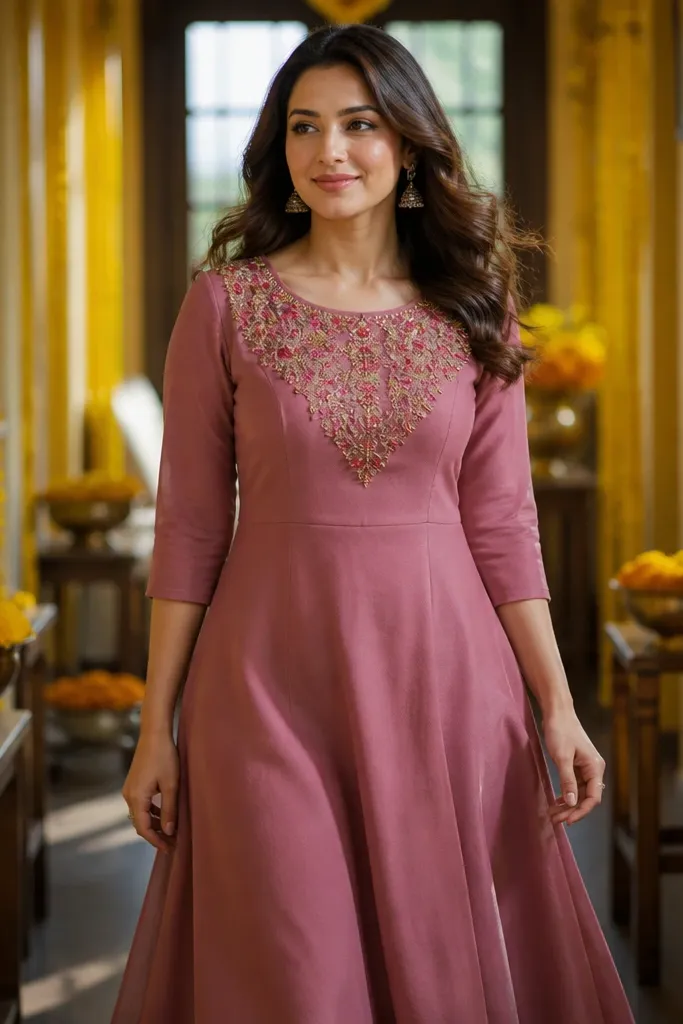
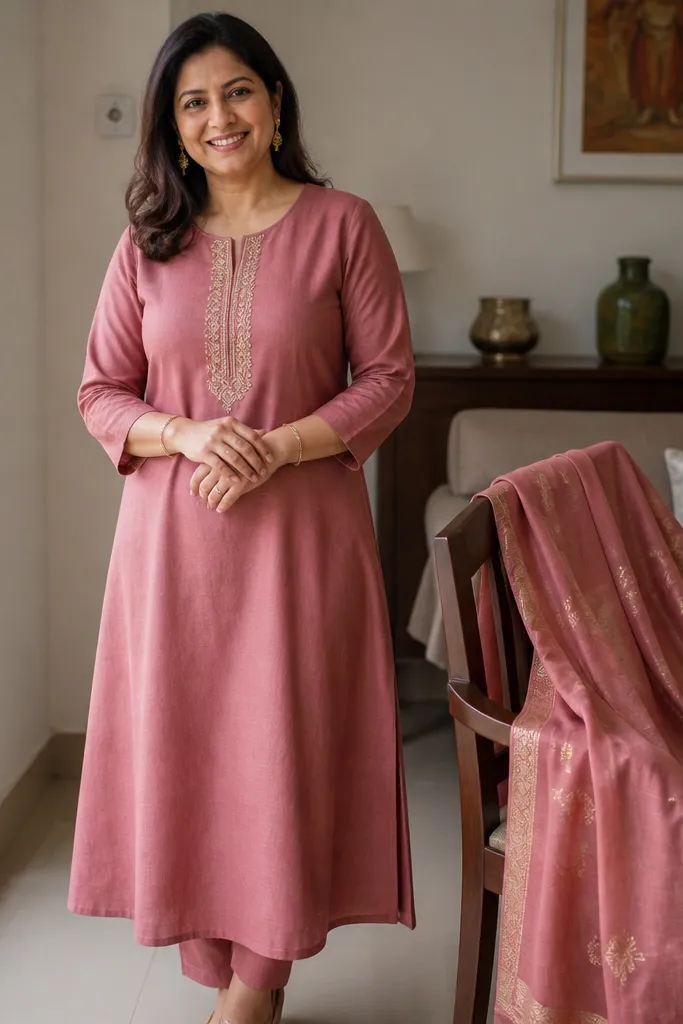
Dusty rose is a safer pastel for Haldi than pale pink because it has enough depth to survive warm lighting. An A-line shape makes the dress look effortless and photogenic, especially when you’re walking from room to room. Keep embroidery concentrated on the neckline or small yoke panel so the look stays polished without turning into a budget “patchwork” vibe. This option is especially good for brides who want romantic but not overly heavy.
Start with an A-line dress that hits mid-calf or just above the ankle. Then pick a neckline with a modest keyhole or round neck and add embroidery only on that front panel area. Finally, choose a matching dupatta with plain fabric and a clean border, and add jhumka earrings rather than extra bangles to keep the face area clear.
If the venue has strong sunlight, choose a slightly heavier cotton for better structure.
Skip all-over printed embroidery — it usually reads cheap in daylight.
5. Ivory Kurta Set With Gold Thread Yoke and Plain Skirt
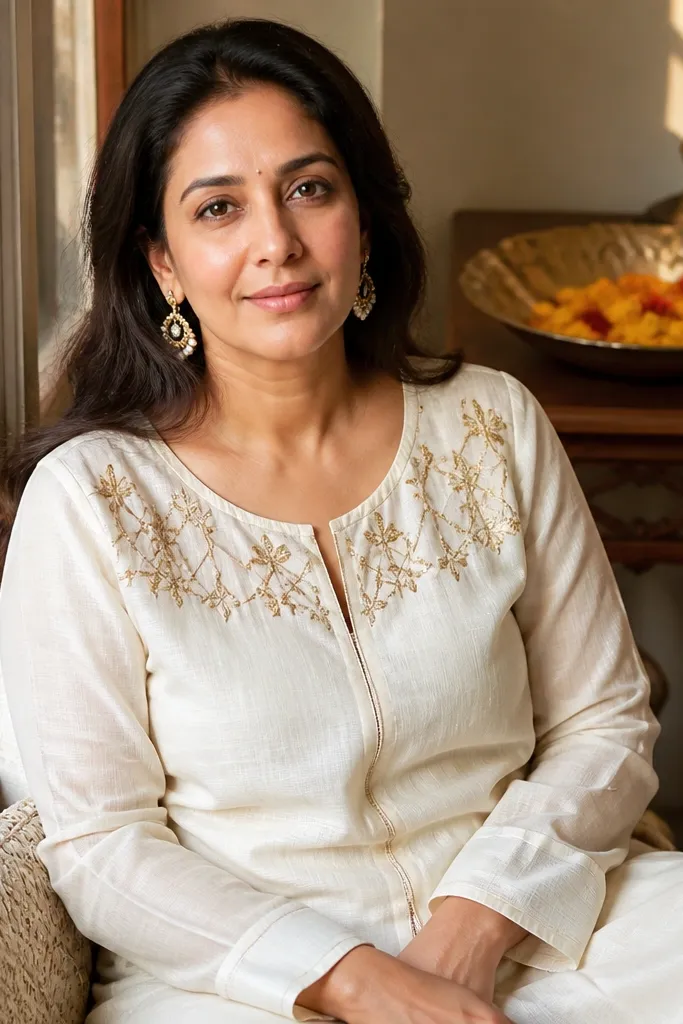
An ivory base gives a classic bride look, but the key is adding contrast at the top. Gold thread on the yoke or shoulder line makes the outfit look intentional while keeping the rest simple. This is a smart on a budget haldi dress idea because plain fabric lets you focus on where detailing matters most for photos. In warm Haldi lighting, ivory can still look fresh if the embroidery is warm gold and the neckline is clean.
Start with an ivory kurta and straight skirt or slim pants in a cotton-silk blend. Then find gold thread work on the upper bodice, sleeves, or a narrow center panel — keep it concentrated. Finally, wear a solid dupatta in ivory or champagne with a narrow border, and choose gold-toned footwear so the look stays cohesive.
Pick embroidery that has texture (raised thread or dense stitching) so it shows in flash photos.
Avoid thin, flat gold prints — they look like screen-printed fabric at close range.
6. Yellow Ochre Lehenga Dress With Organza Overlay
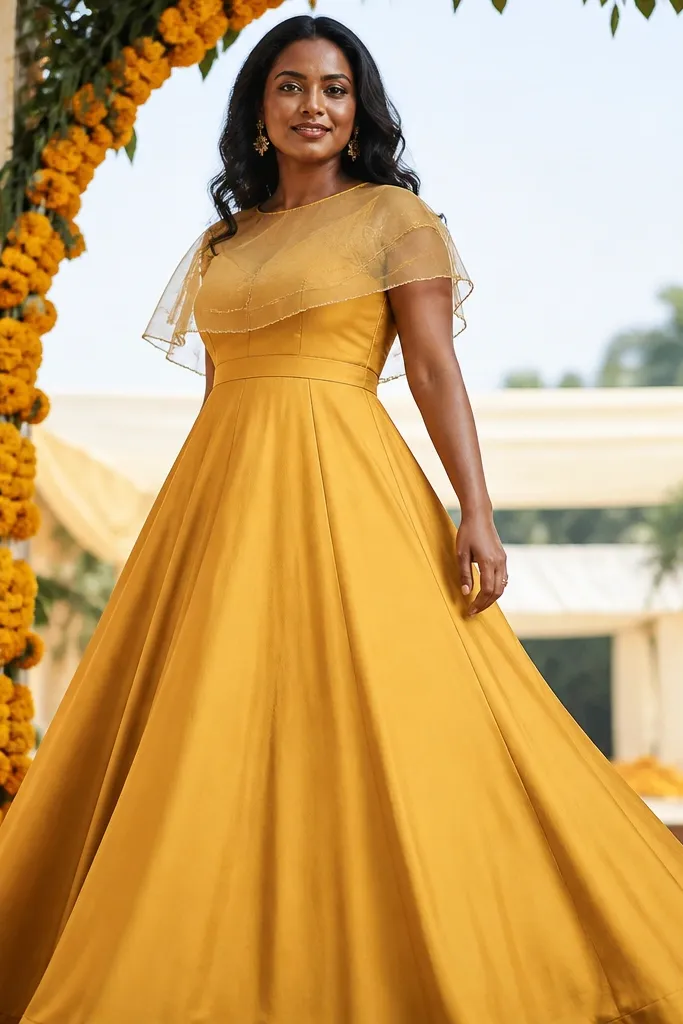
If you want yellow that still photographs well, go ochre instead of pale lemon. Ochre reads warm and bride-like, and it doesn’t blend into Haldi decor as easily. A lehenga-style dress with an organza overlay at the bodice gives volume and a crisp silhouette without needing heavy embellishment. The overlay adds a slight sheen that catches light, so your photos look richer even with simpler embroidery elsewhere.
Quick tipAsk for the organza overlay to be lined — it prevents scratchiness and looks smoother in photos.
Start by choosing a two-piece look: a fitted bodice dress top plus a flared lehenga skirt. Then add organza overlay only on the upper bodice or sleeves, not across the whole skirt. Finally, keep the skirt mostly solid and choose a dupatta in the same ochre with a simple edge so the outfit doesn’t look crowded.
Skip thisAvoid a fully embellished lehenga — it can look heavy and messy in warm lighting.
7. Black Kurta With Gold Motif Panels for Contrast
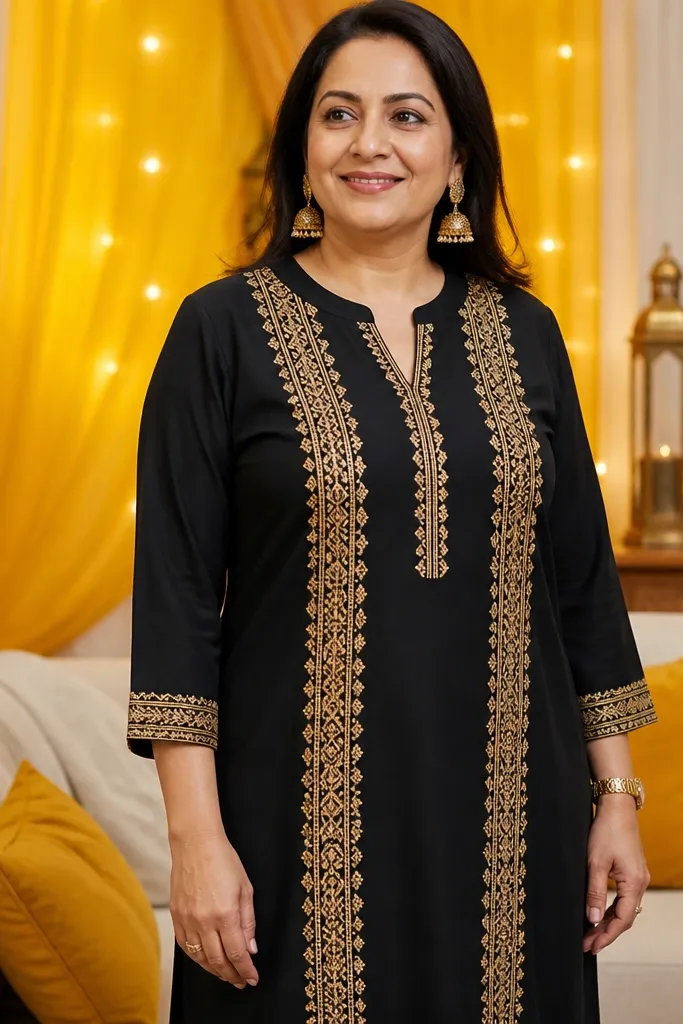
Black is a bold move, but it photographs clean and makes yellow Haldi decor look intentional. The trick is to avoid plain black with no detail — you need gold motifs or thread work placed as panels. This style is great for brides who want a modern, high-contrast aesthetic. Keep the silhouette straight or slightly flared so the outfit looks sharp, not heavy.
Quick tipChoose gold work with clear edges, not tiny all-over specks that blur in flash.
Start with a black kurta in cotton-silk or crepe that holds its shape. Then choose gold motif panels at the center front and sleeve cuffs, leaving the rest plain. Finally, pair with a black dupatta or sheer black overlay and add a bright scarf pin to keep the drape from slipping in photos.
Skip thisAvoid matte black with no sheen — it can look flat and dull in daylight.
8. Powder Blue Empire Waist Dress With Appliqué Flowers at Yoke
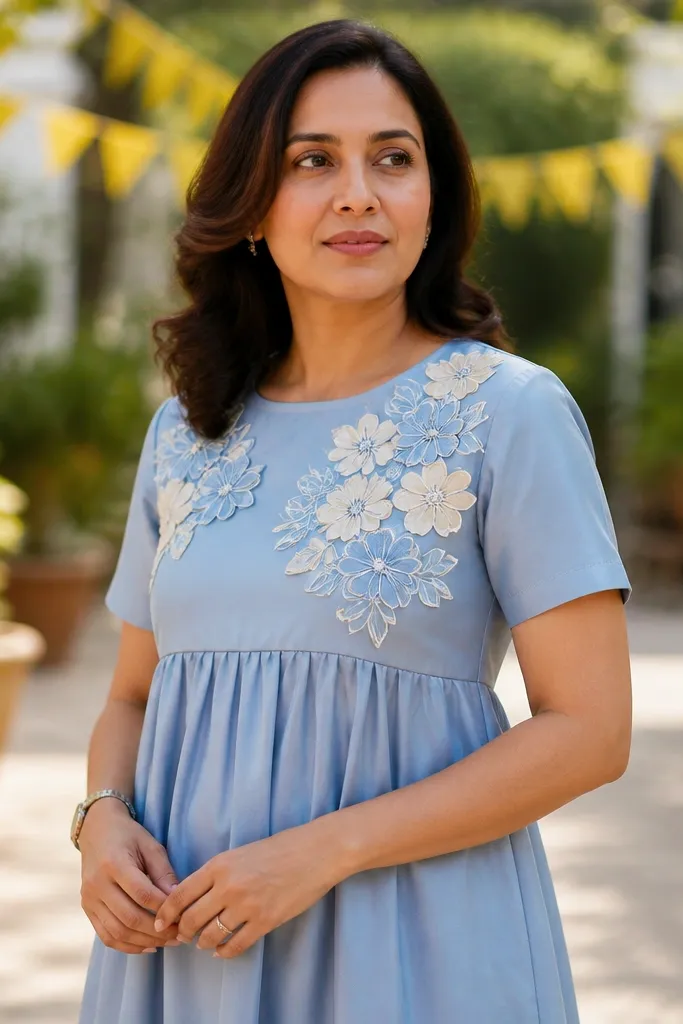
Empire waist dresses flatter almost everyone, and powder blue can look stunning if you keep it slightly deeper rather than icy. Appliqué flowers at the yoke create a focal point that reads clearly even in busy background photos. This is a good on a budget haldi dress idea because appliqué can be placed strategically without needing full embroidery coverage. The flowy upper-to-lower transition also looks elegant when you walk and pose.
Quick tipGo for a dress length that covers the knee fully; short hems can look awkward in seated Haldi moments.
Start with an empire waist dress with a gathered skirt in cotton or cotton-silk. Then pick appliqué flowers only on the upper bodice or shoulder line, keeping the center front clean. Finally, add a matching dupatta with a simple border and choose silver or pearl earrings to keep the look cool-toned.
Skip thisSkip tiny, scattered appliqué all over — it reads like cheap fabric at a distance.
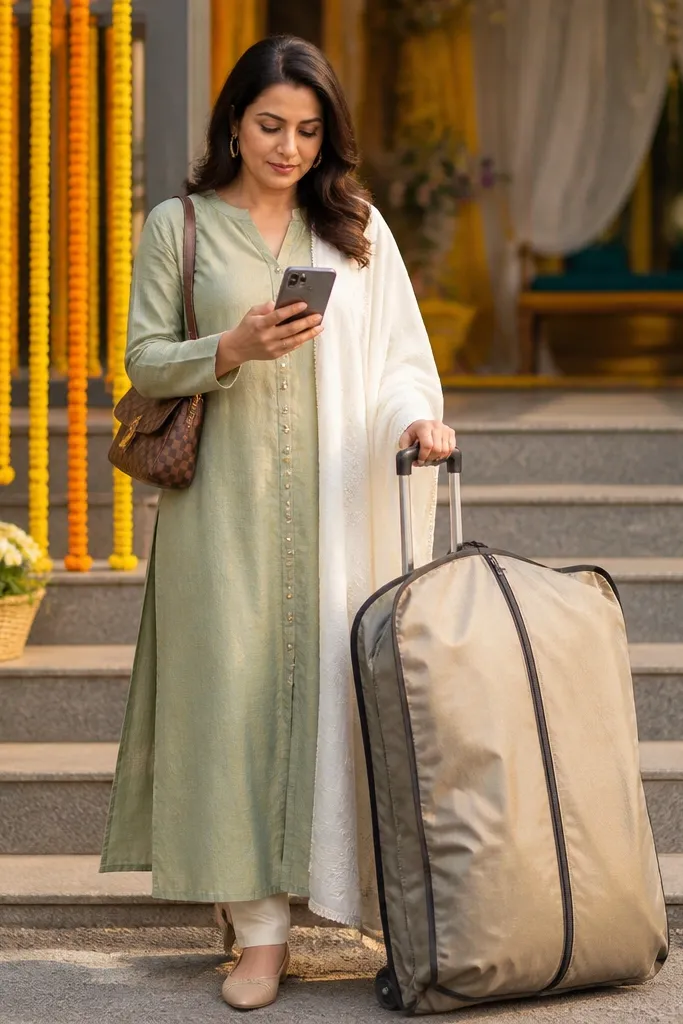
9. Sage Green Kurta With Cutwork Border on Sleeves
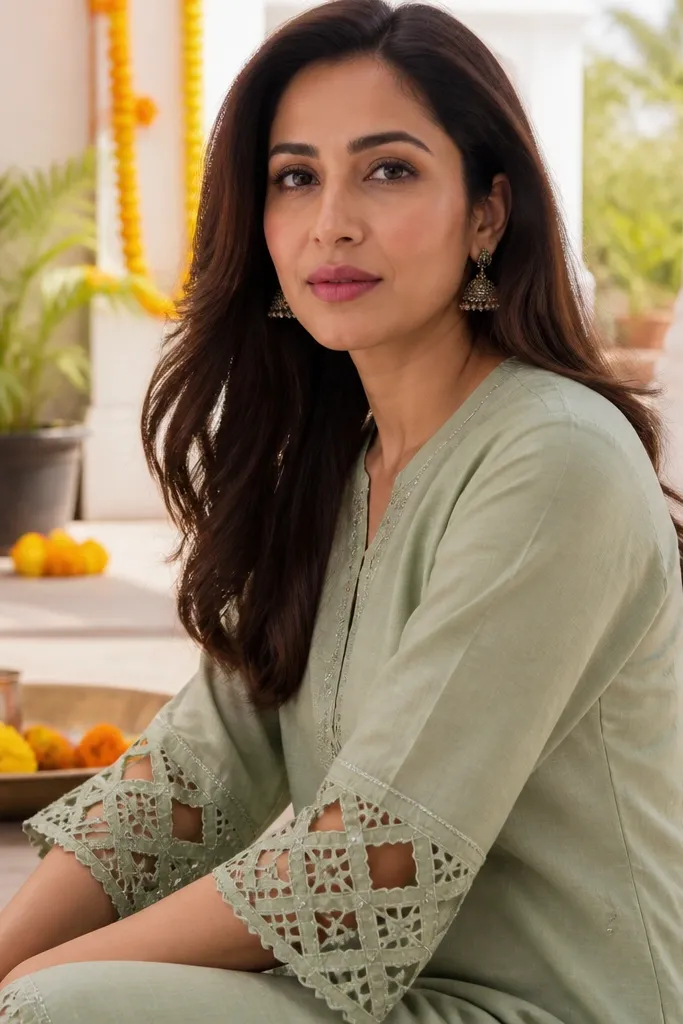
Sage green is a fresh alternative to the usual pink and maroon, and it looks great against warm Haldi sets. Cutwork borders on the sleeves give you texture without the cost of heavy embroidery across the whole outfit. This dress direction is ideal for brides who want a clean, modern look with just enough detail for photos. In daylight, cutwork creates small shadows that show up in pictures.
Start with a sage green kurta in breathable cotton with a neat collar or simple round neck. Then choose cutwork border on the sleeve cuffs and maybe a small strip at the hem, not the entire kurta. Finally, pair with a solid matching bottom and a dupatta that has a plain weave so the cutwork stays the star.
Press the sleeve cuffs flat before the event; wrinkled cutwork looks messy in photos.
Avoid printed cutwork designs — they look like fabric patterns, not real stitching.
10. Coral Pink Cape-Style Kurta With Solid Inner
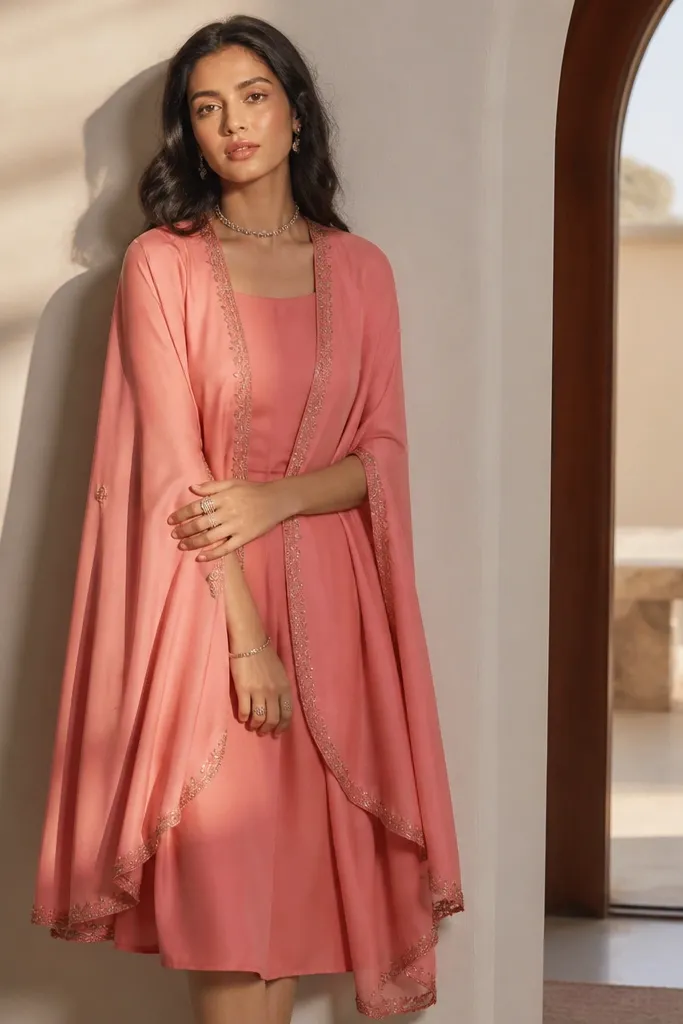
Cape-style kurtas look expensive because they add movement and a frame around your body. Choose coral pink, not neon, so it blends into warm Haldi lighting instead of clashing. The key is a solid inner dress so the cape drapes cleanly and doesn’t show thin fabric at the front. This style is photogenic from every angle — you get a defined silhouette in portraits and full-body shots.
Start by choosing a two-layer look: a solid inner kurta or dress plus a cape overlay with a clean neckline. Then add small trim along the cape edge or neckline only, keeping the rest plain. Finally, style with sleek leggings or a straight skirt and a matching dupatta tucked under the cape so it stays put.
Pick a cape length that hits mid-thigh or just above knee so it doesn’t trip you during rituals.
Avoid a see-through cape with no lining — it looks thin and uneven on camera.
11. Navy Blue Suit Dress With Contrast Pink Piping
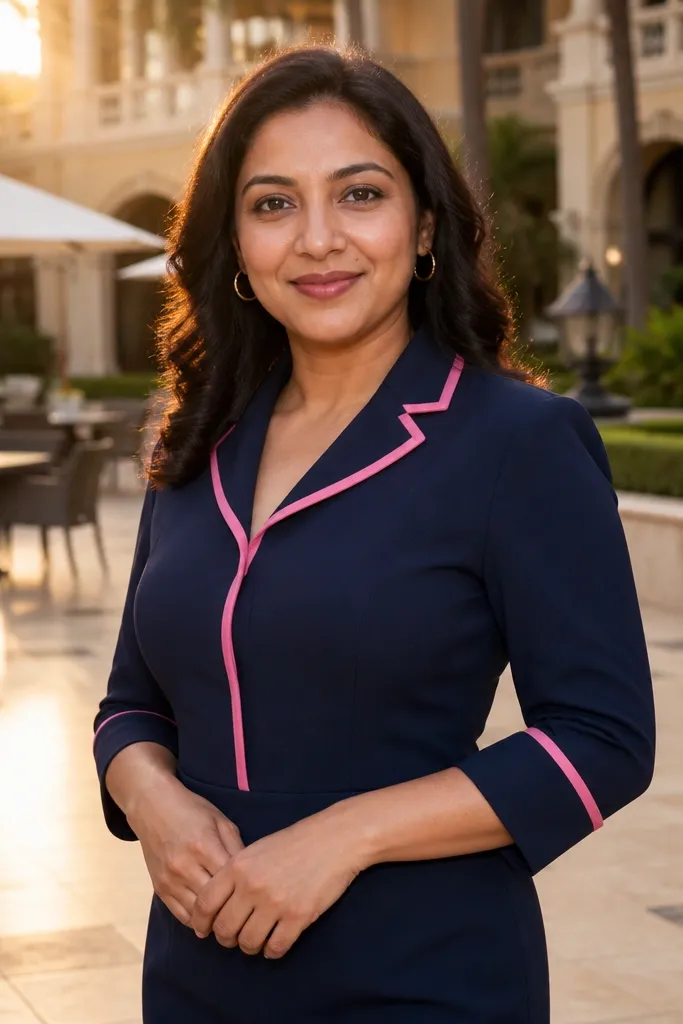
Navy with contrast piping is one of the cleanest budget haldi dress ideas because it makes simple fabric look tailored. The piping creates crisp lines at the neckline, placket, and sleeve edges, so the outfit looks structured in photos. Pink piping against navy also brightens your face without relying on heavy embroidery. This direction is great for brides who want a polished, modern look that still feels festive.
Start with a navy suit dress in cotton-silk or crepe, preferably with a simple collar or V-neck. Then choose piping in a hot pink or rose tone around the neckline and front seams. Finally, pair with a solid dupatta in navy and add minimal gold jewelry so the piping stays visible.
If you’re buying off the rack, check that the piping is stitched, not glued — it holds up better after steam.
Avoid multicolor piping — it turns into a busy pattern quickly in Haldi photos.
12. Ivory Chanderi Dress With Thread-Work Panel at Front
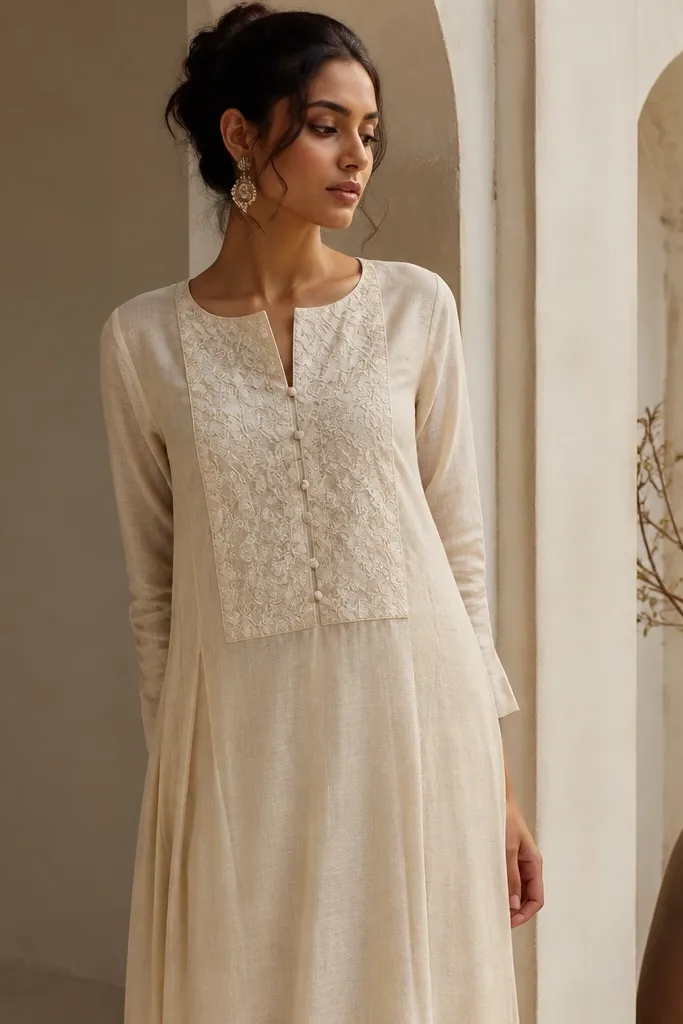
Thread-work panels on an ivory chanderi-style dress give a bridal look without the need for heavy stones. Chanderi fabric has a light, airy texture that photographs beautifully, especially when you catch side light near windows. Keep the panel placement centered so the outfit looks balanced and flattering. This is a good choice if you want a soft, classy look that still reads “bride” on camera.
Quick tipBring a small fabric steamer; chanderi wrinkles show more than cotton and ruin the crisp look.
Start by choosing an ivory dress with a visible front panel shape (center panel or yoke panel). Then look for thread-work in warm tones like gold, champagne, or light copper instead of bright neon thread. Finally, add a dupatta with a similar sheen and keep accessories simple, so the panel stays the focal point.
Skip thisAvoid heavy beadwork on an airy fabric — it can pull and distort the drape.
13. Rose Pink Skater Dress With Embroidered Waistband
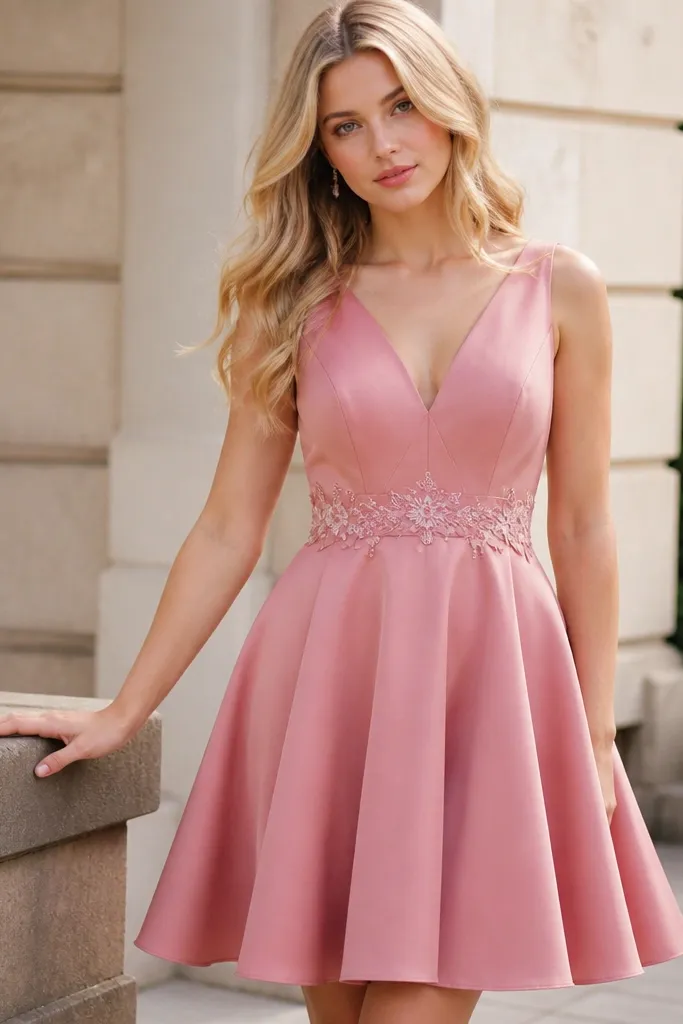
A skater dress can look bridal if you give it a defined waist detail. Rose pink is flattering for Haldi photos when the shade is slightly deeper and not too chalky. An embroidered waistband makes the outfit look intentional, and the skirt flares nicely for movement shots. This is also a comfortable on a budget haldi dress idea if the function involves lots of walking and sitting.
Start with a skater dress in rose pink cotton or cotton-silk that has enough structure to hold a gentle flare. Then choose embroidery or appliqué concentrated at the waistband, not across the full bodice. Finally, pair with a matching dupatta or a sheer organza scarf and keep the jewelry light so the waist detail stays visible.
Choose a neckline that doesn’t dip too low — Haldi ceremonies can involve bending and you want photos to stay clean.
Avoid full-length flare with heavy fabric — it can look bulky in daylight.
14. Teal Satin-Look Dress With Pleated Neckline Trim
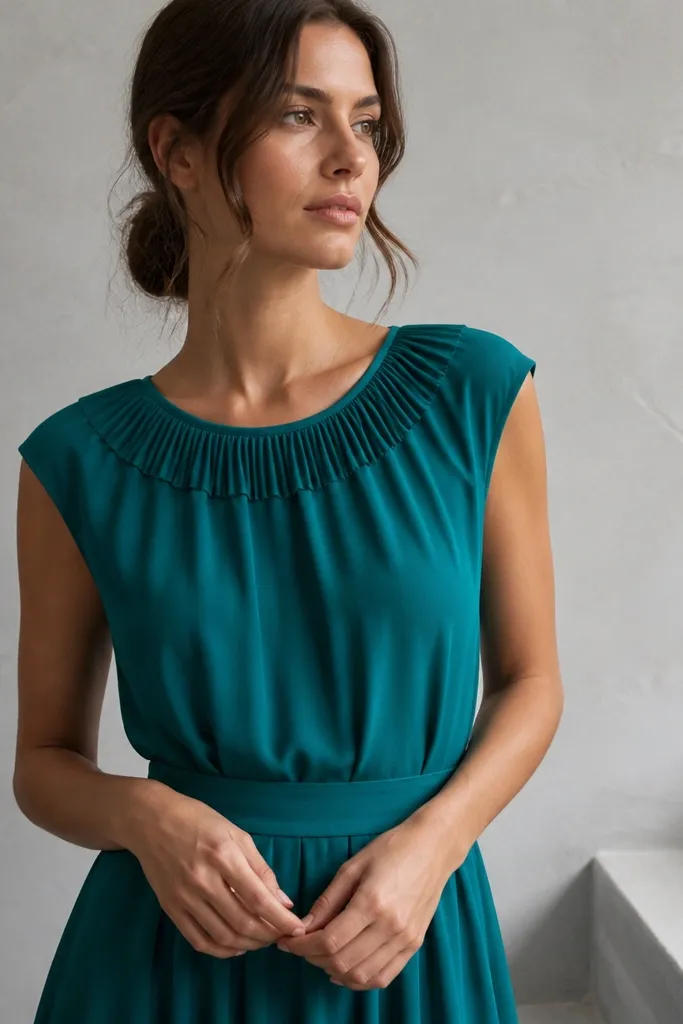
A satin-look dress in teal looks polished because it reflects light smoothly, which matters in Haldi where backgrounds are bright and busy. Instead of relying on stones, go for pleated trim around the neckline or collar. That gives you a high-end texture without expensive materials. The result is a dress that looks sleek in portraits and still festive enough for the ceremony.
Quick tipUse double-sided tape at the neckline if the fabric slips — it keeps the trim aligned.
Start with a teal dress that has a satin-like finish but isn’t too slippery. Then add pleated or pintuck trim around the neckline, keeping the rest clean. Finally, pair with a solid dupatta in the same shade or a slightly darker teal to create depth in photos.
Skip thisAvoid heavy stonework — it can look harsh with warm Haldi lighting.
15. Saffron Orange Kurti With Contrast Green Yoke
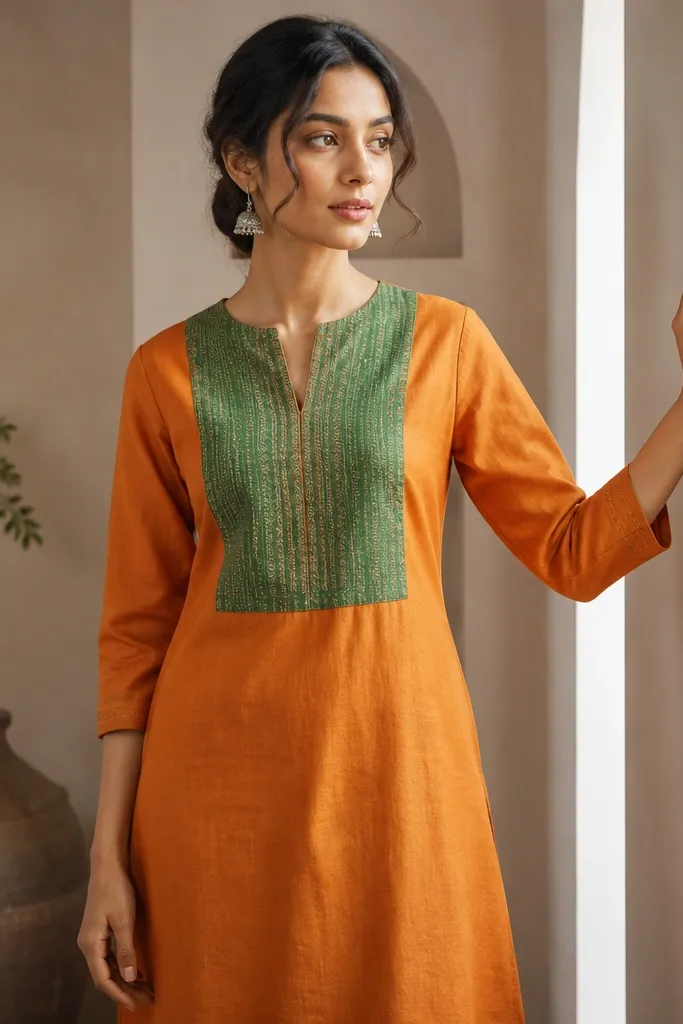
Saffron orange looks joyful, but it needs contrast to avoid blending into Haldi stacks and yellow decor. A contrast green yoke panel creates a clear frame around your face and makes the outfit read as “designed,” not random. Keep the rest of the kurti plain and let the yoke detail do the work. This is one of the most photogenic on a budget haldi dress ideas because color blocking is instantly visible in photos.
Quick tipChoose green that leans deep (emerald or bottle green), not neon, for a more bridal look.
Start with a saffron orange kurti in cotton or cotton-silk with a clean collar. Then pick a green yoke panel with embroidery or applique along the edges, and keep sleeve cuffs simple. Finally, add a dupatta in saffron with a narrow green border so the color story stays consistent.
Skip thisAvoid two bright primaries together without a solid base — the outfit can look costume-like.
16. Champagne Gold Dress With Crochet Yoke
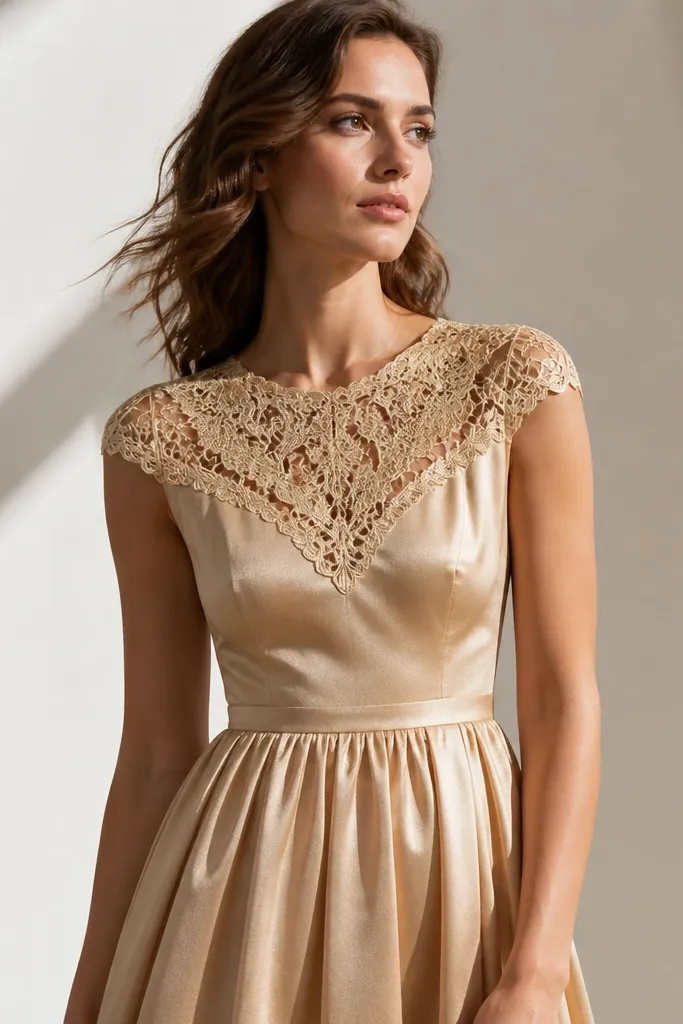
Crochet yokes look delicate and expensive, and they photograph well because the pattern creates texture. Champagne gold is forgiving in warm lighting when the fabric has a soft glow rather than glitter. This combo is a budget-friendly haldi option because you can keep the skirt plain and focus money on the yoke detail. It also gives a light, airy feel that works for daytime ceremonies.
Quick tipCheck that the crochet yoke is lined — it stops itchiness and keeps the look smooth in close photos.
Start with a champagne gold dress in cotton-silk or a soft satin-look fabric. Then choose a crochet yoke in a slightly lighter or matching tone, and keep the bodice smooth underneath so it doesn’t bunch. Finally, pair with a sheer dupatta that has a simple edge, and add small earrings so the crochet pattern stays visible.
Skip thisAvoid glitter all over — it can look patchy and shiny in flash.
17. Grey Blue Kurta With Floral Appliqué at Hem
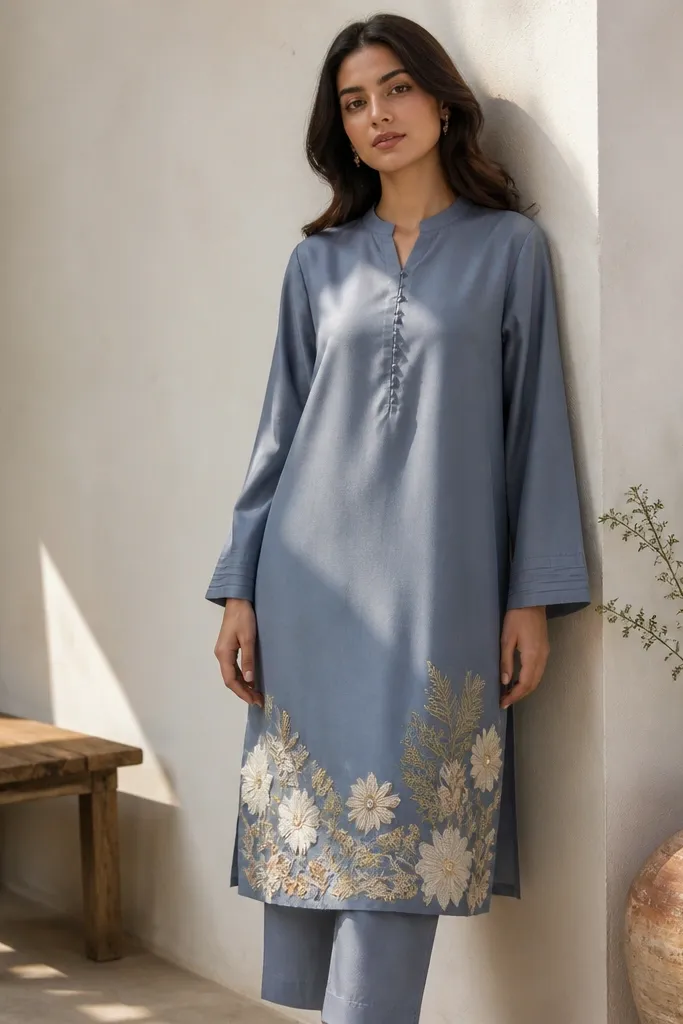
Grey blue is a smart alternative if you’re tired of pink, maroon, and teal repeats. The key is placing floral appliqué at the hem or lower front so the detail shows when you move. Floral appliqué at the bottom also balances a simple neckline, keeping the outfit clean and not over-decorated. In photos, grey blue grounds the look and makes warm Haldi colors pop around you.
Quick tipChoose appliqué with defined edges, not fuzzy fabric cutouts, so it doesn’t blur in sunlight.
Start with a grey blue kurta in cotton with a straight or slight A-line cut. Then select floral appliqué that sits in a band along the hem and maybe a small strip on the side slits. Finally, wear matching solid leggings and a plain dupatta, and keep jewelry neutral so the appliqué remains the focal point.
Skip thisAvoid appliqué that starts too high on the bodice — it can look crowded.
18. White Kurta With Pastel Ombre Dupatta for Soft Color Pop
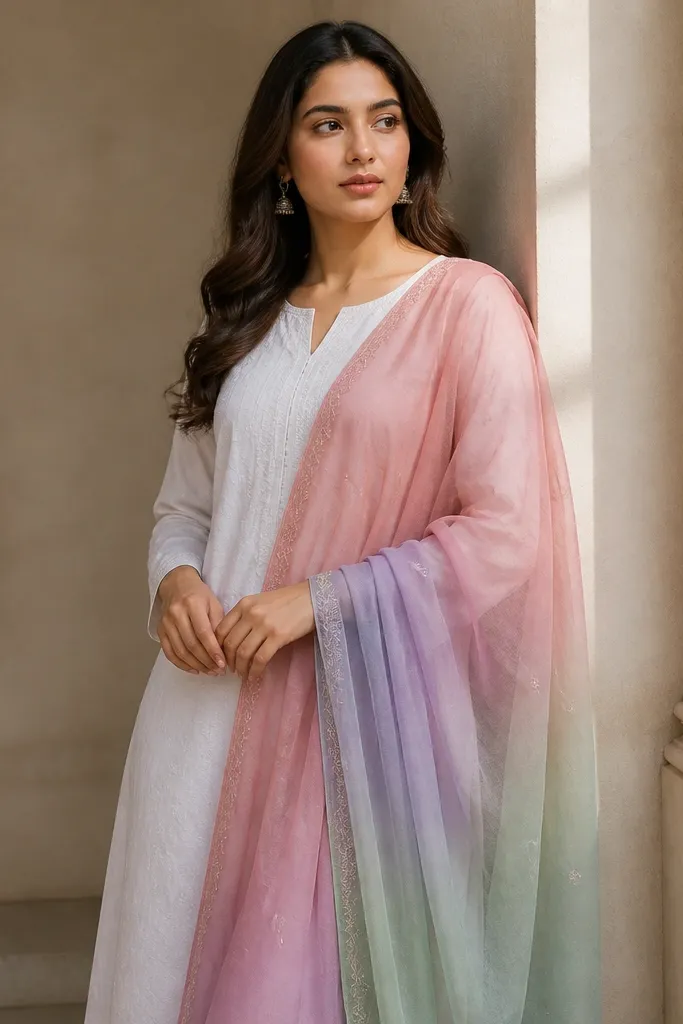
If you like a clean, bridal look but still want it to feel festive, white with a pastel ombre dupatta is the formula. White keeps you looking fresh in photos, while the ombre dupatta adds color without needing embroidery all over the dress. The dupatta also frames your face and creates a strong vertical line in pictures. This works especially well for on a budget haldi dress ideas because you can buy one statement dupatta and keep the dress simple.
Start with a white kurta in cotton or cotton-silk with a neat neckline and sleeves that aren’t too thin. Then choose an ombre dupatta in pastel tones like peach to blush or mint to pale teal, with a clean border. Finally, drape it so one end sits near your waist and the other falls over your shoulder for a clear photo shape.
Pick an ombre dupatta with a slightly darker base tone so it shows clearly against yellow backgrounds.
Avoid pure white with no detail if your venue is very bright — it can look flat; use neckline trim or small cuff embroidery.
19. Peach Anarkali With Organza Sleeve Puff and Minimal Work
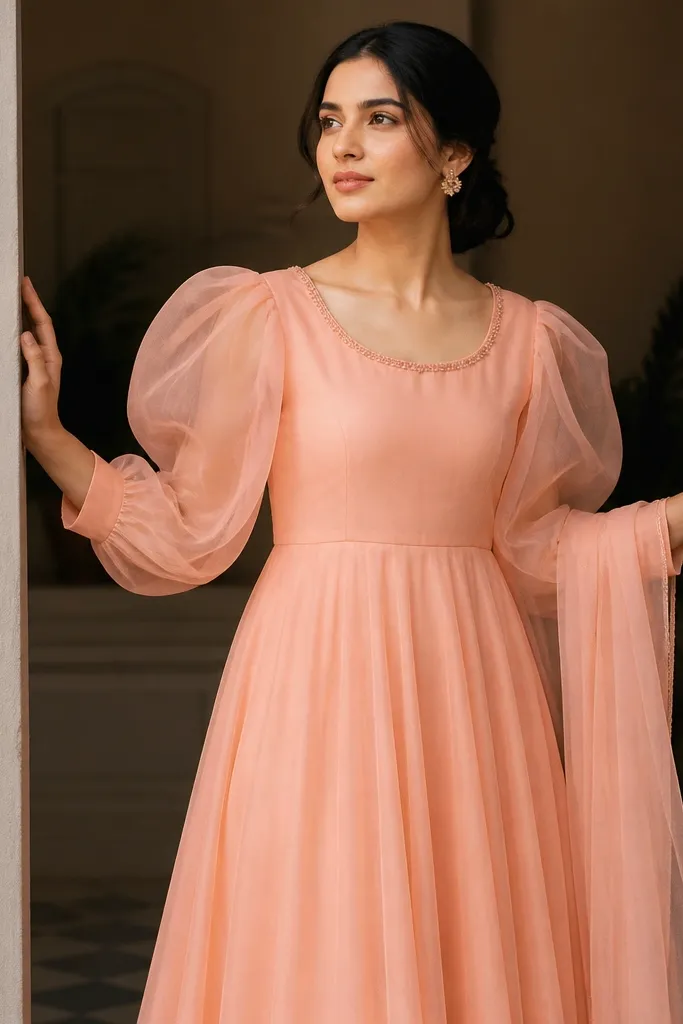
Peach can look stunning in daylight, but you need one structural element so it doesn’t look plain. Organza puff sleeves bring volume and a soft, airy drama that photographs well. Keep minimal work at the neckline or yoke so the dress stays breathable and comfortable. This is a great on a budget haldi dress idea when you want a bridal silhouette without paying for full embellishment.
Start with a peach anarkali in cotton or cotton-silk with a flared skirt. Then choose organza sleeve puffs and keep the embroidery minimal at the neckline, not spread across the entire bodice. Finally, pair with a matching peach dupatta with a simple border and add bangles that match the sleeve fabric sheen.
If the sleeves look limp, steam them and lightly shape the puff with your fingers before photos.
Avoid too-sheer sleeves that reveal your underlayer — it reads messy in close-ups.
20. Olive Green Gharara Dress With Contrast Waistband
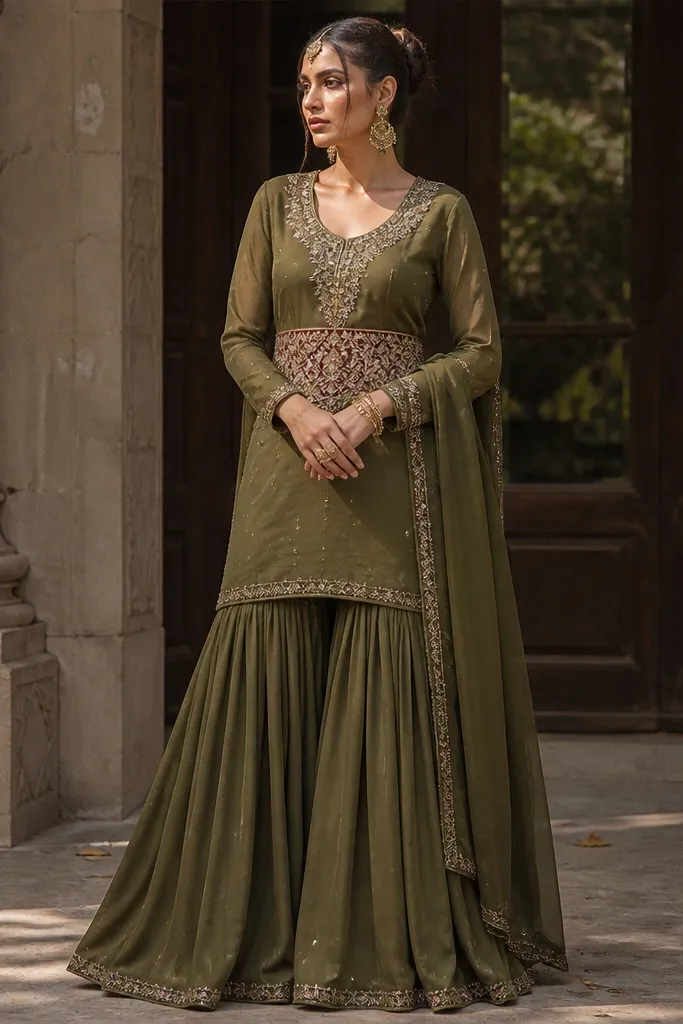
Gharara-style dresses look festive and give you a full silhouette even if your dress is simple. Olive green is a flattering, grounded shade that also looks good next to bright Haldi yellow. The contrast waistband makes the outfit look designed and helps the whole look read “bride” rather than casual ethnic wear. When you sit or move, the gharara flare creates photo-friendly shapes.
Start with an olive base dress or kurti set that includes a gharara bottom with a clean flare. Then add a contrast waistband panel in a complementary shade like maroon, rust, or deep teal, with embroidery or applique only on that strip. Finally, wear a short dupatta or stole drape that doesn’t cover the waistband detail so the contrast shows in photos.
Choose a waistband contrast that matches your jewelry tone — it makes the look look intentional.
Avoid gharara bottoms with uneven flare; it shows in photos when you move.