1. Soft Flared Anarkali in Georgette
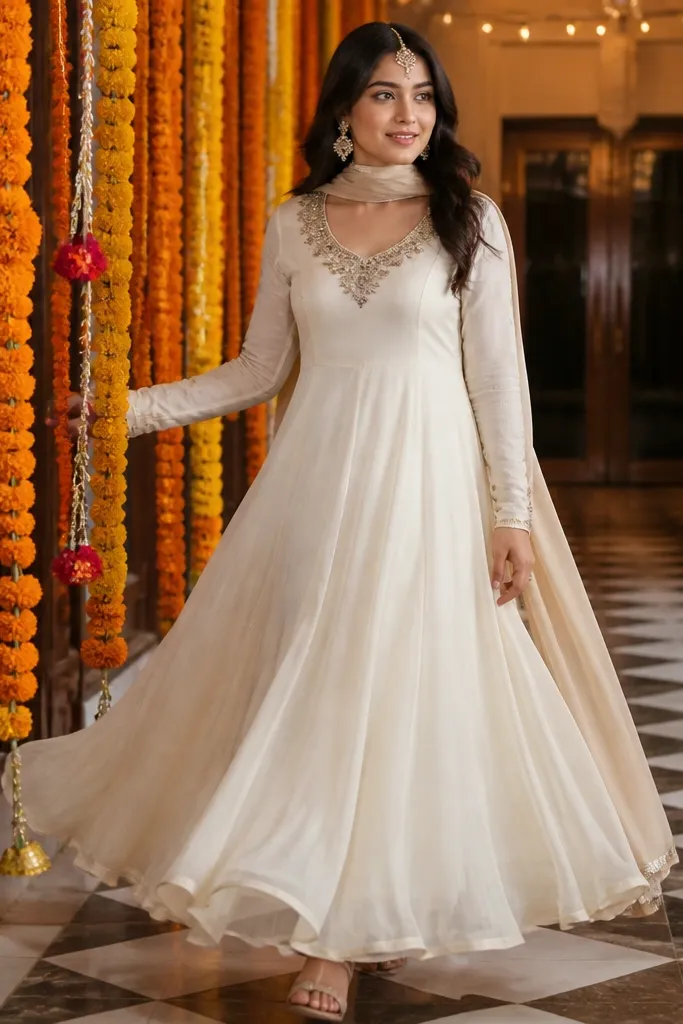
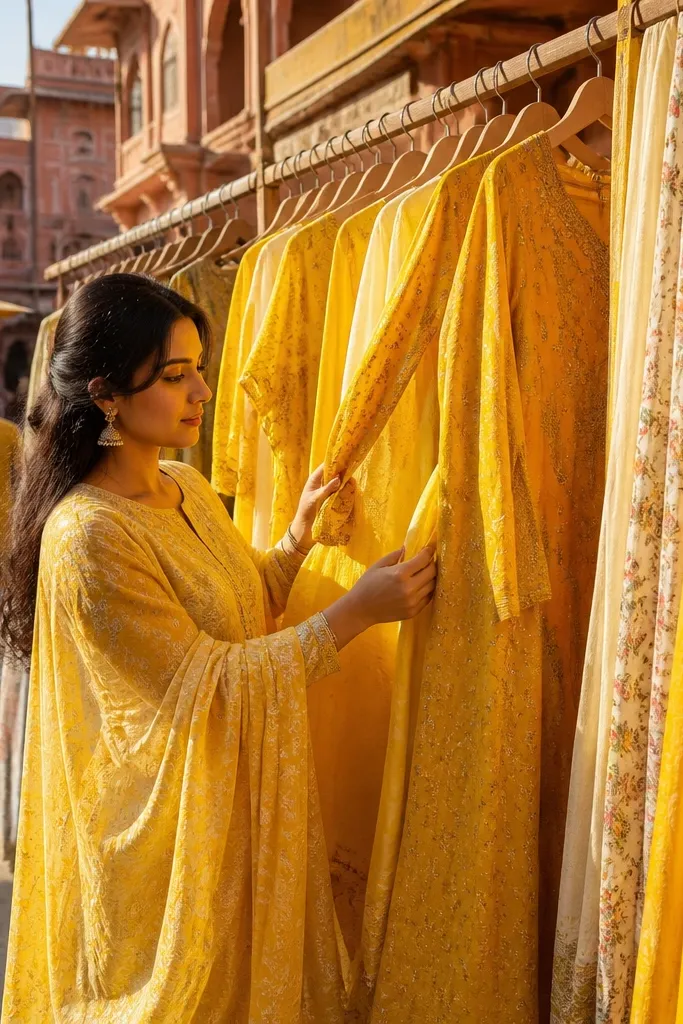
A soft flared anarkali is the safest “first bridal” choice because the shape does the work for you. The fitted bodice gives a polished look, and the flare hides awkward midsection moments without making you feel swallowed by fabric. Georgette drapes smoothly and moves when you walk, so photos don’t look stiff. Choose a dupatta that’s lightweight and falls in one main sweep instead of multiple tiny pin points.
Start by picking a kameez length that hits mid-calf or longer, then choose a flare that starts from the waist or slightly below. Pair it with straight or slightly flared bottoms so the anarkali doesn’t fight your trousers. Then plan your styling: keep embroidery concentrated on the neckline, front panel, and sleeves, and skip heavy work across the skirt if you’re doing a daytime haldi.
If you’re worried about turmeric stains, go for a lighter underlayer and keep the dupatta ends slightly darker.
Don’t choose stiff net anarkali fabric — it looks great for a photoshoot and feels miserable when you’re sitting and standing.
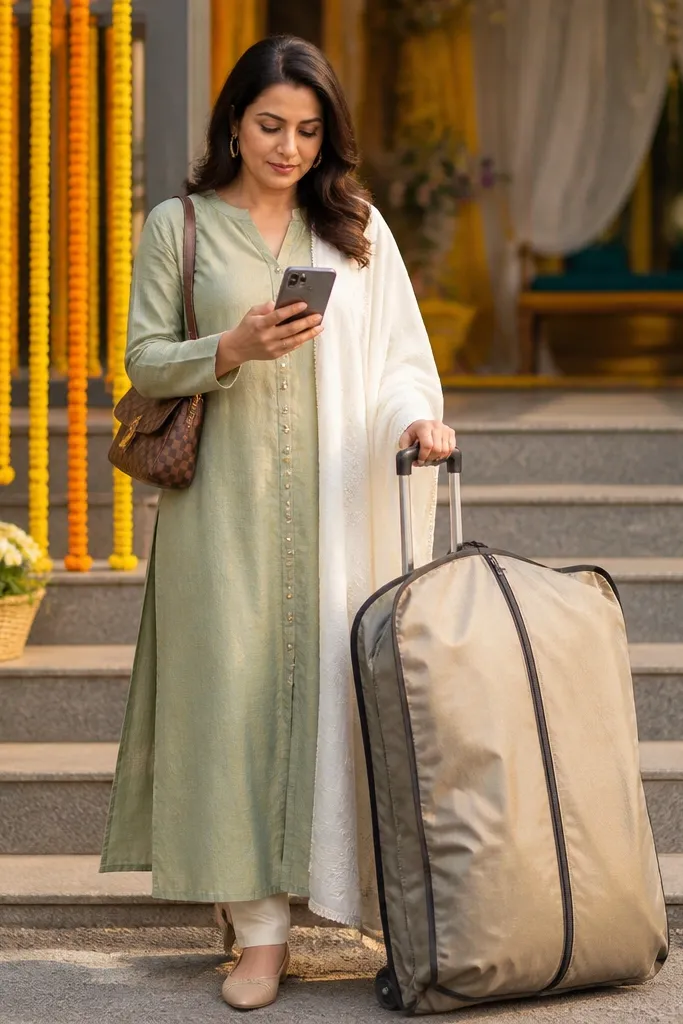
2. Fitted Kameez + Straight Pants + Short Dupatta
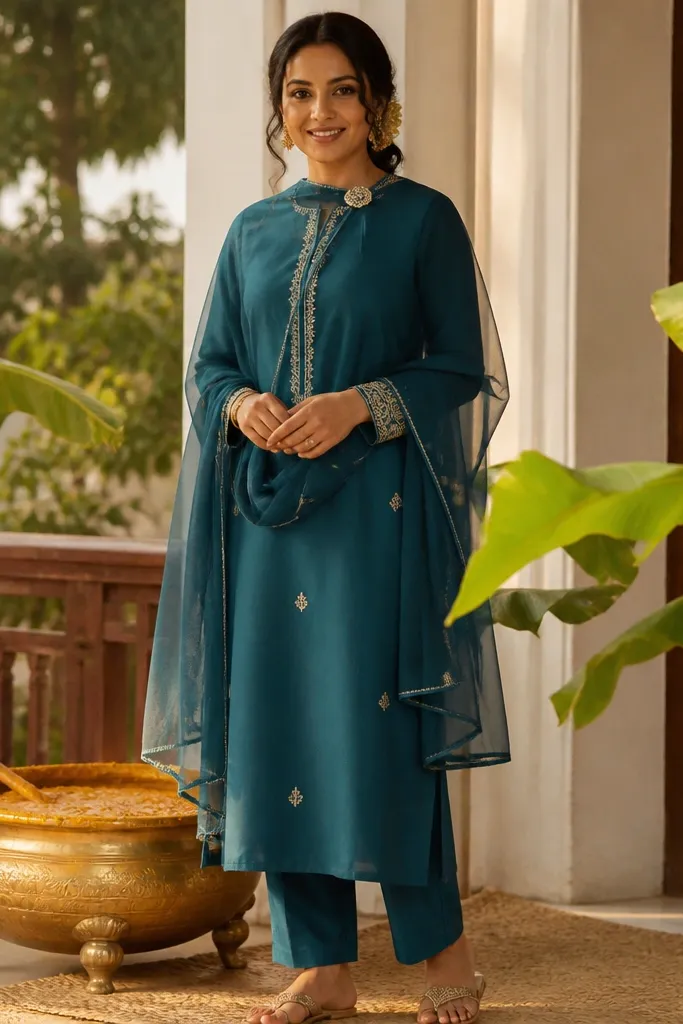
Start by choosing a kameez with a round or modest V neckline and sleeves that end around elbow length. Then match it with straight trousers in the same fabric family so the outfit reads cohesive. Finally, style the dupatta with one secure pin at the shoulder and let the rest fall naturally down the side — fewer pins means fewer creases.
This set is beginner-friendly because it removes the hardest part of haldi styling — the dupatta chaos. A short dupatta (ending around the waist or upper hip) still looks bridal in pictures, but it doesn’t keep sliding off your shoulder every time you turn. The fitted kameez gives shape, and straight pants keep movement easy. If you want a clean, modern vibe without looking “too casual,” this is the move.
Skip thisSkip tiny all-over sequins that catch turmeric and turn blotchy fast.
Quick tipPick a dupatta with a subtle border so it frames your face even in flash photos.
3. Angrakha Wrap Front Haldi Set
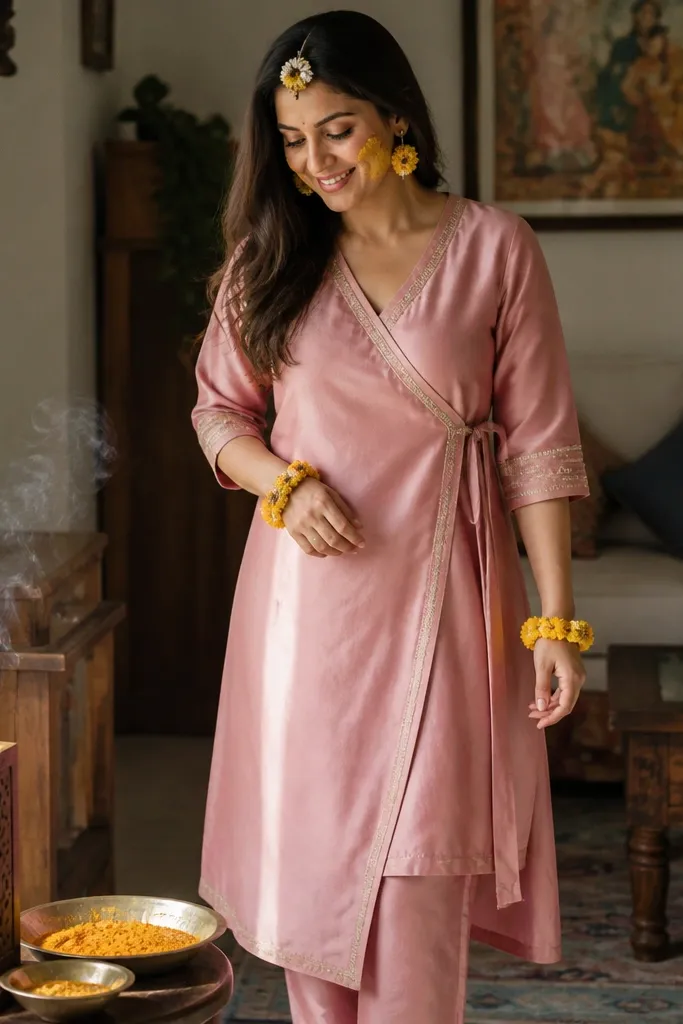
Start by selecting an angrakha with ties or a hidden closure that you can manage quickly. Then choose a fabric with good drape like crepe or georgette, and keep the wrap overlap wide enough to avoid gaping. Finally, pair with straight pants or slim flared trousers and use a single dupatta that drapes from the opposite shoulder.
Angrakha style is flattering because the wrap front creates a natural focal point at the center of your body. It also gives you built-in coverage — useful if you want to feel secure while people are adjusting your jewelry and hair for photos. The wrap pattern helps hide small fit changes, which matters for first-time brides who haven’t dialed in their haldi comfort yet. Choose soft fabric so the wrap doesn’t feel bulky at the waist.
Skip thisDon’t go for stiff brocade angrakha for a daytime haldi — it looks heavy and restricts movement.
Quick tipIf your wrap ties are long, shorten them — loose ends snag on chairs and bangles.
4. Peplum Kameez with Flared Pants
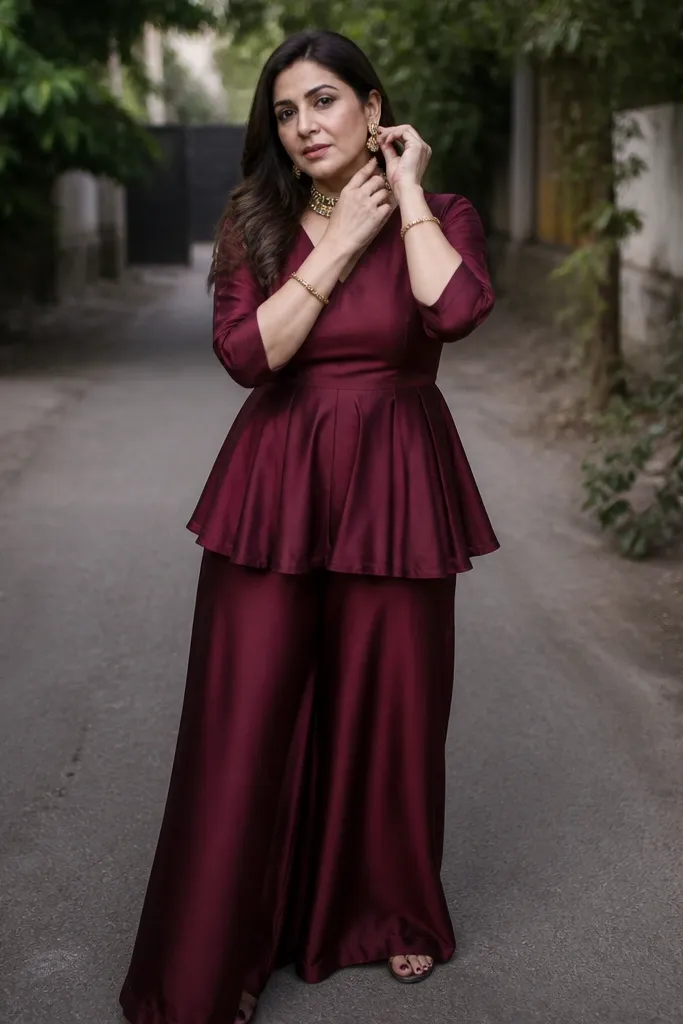
A peplum kameez gives you waist definition and adds bounce when you walk, which makes it a great option if you want a “structured but still comfy” look. It’s beginner-friendly because you’re not depending on complex layering. The peplum hem creates visual interest without needing heavy embellishment across the whole dress. Keep the peplum moderate (not too high) so you don’t shorten your torso visually.
Start by choosing a kameez with a peplum seam that sits around your natural waist line. Then pair it with flared pants that start widening from mid-thigh so the peplum and hem move together. Finally, pick embroidery only on the neckline, front panel, and sleeve cuff, and keep the back simpler for comfort while sitting.
Use a slightly darker shade for the peplum section if you want a slimming effect in flash photos.
Avoid a peplum that’s too short — it can look like an accidental top rather than a bridal kameez.
5. Long Shirt Kurta with Gharara-Style Bottom
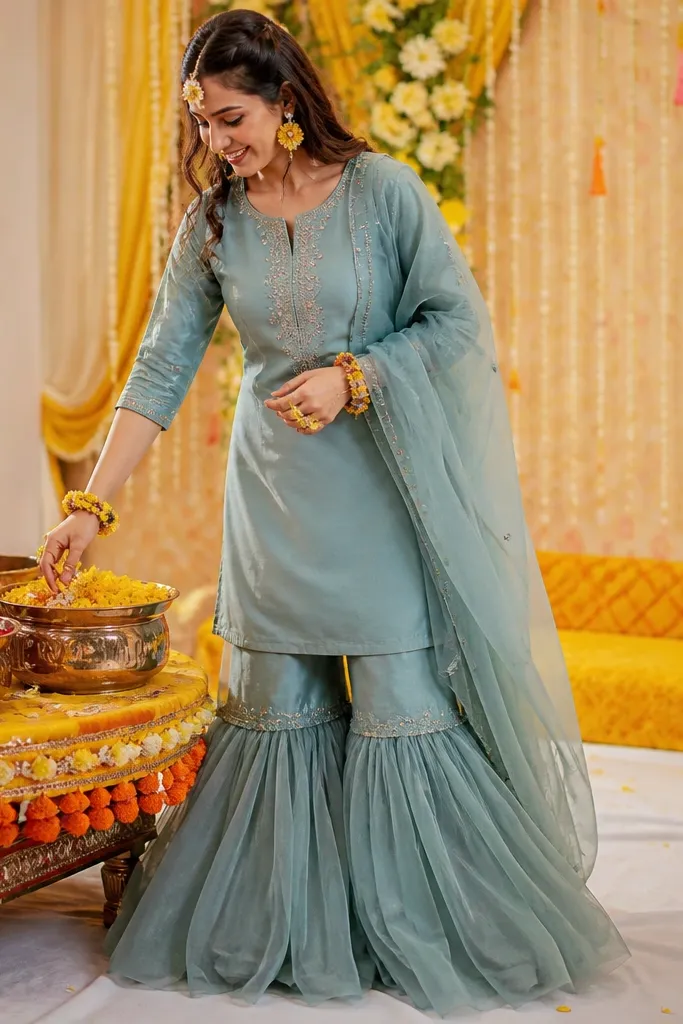
Start by picking a kurta length that reaches mid-thigh or lower, then choose a gharara flare that widens gradually instead of exploding at the knee. Then match the dupatta to the shirt fabric and keep it one solid drape. Finally, schedule alterations early because gharara waist fitting matters — you want it secure without digging.
If you want volume without committing to a full lehenga, a long shirt with gharara-style bottoms is a strong beginner choice. The flare gives that festive swish in photos, and the longer shirt helps you feel covered and comfortable through the day. This style looks especially good for brides who like statement silhouettes but still want breathable movement. Choose soft fabric for the shirt and a structured-but-not-stiff base for the gharara so it holds shape.
Skip thisDon’t pick heavy brocade for the gharara base if the haldi is outdoors.
Quick tipBring a small safety pin kit on the day — hemming shifts when you sit a lot.
6. Empire Waist Gown Kurta
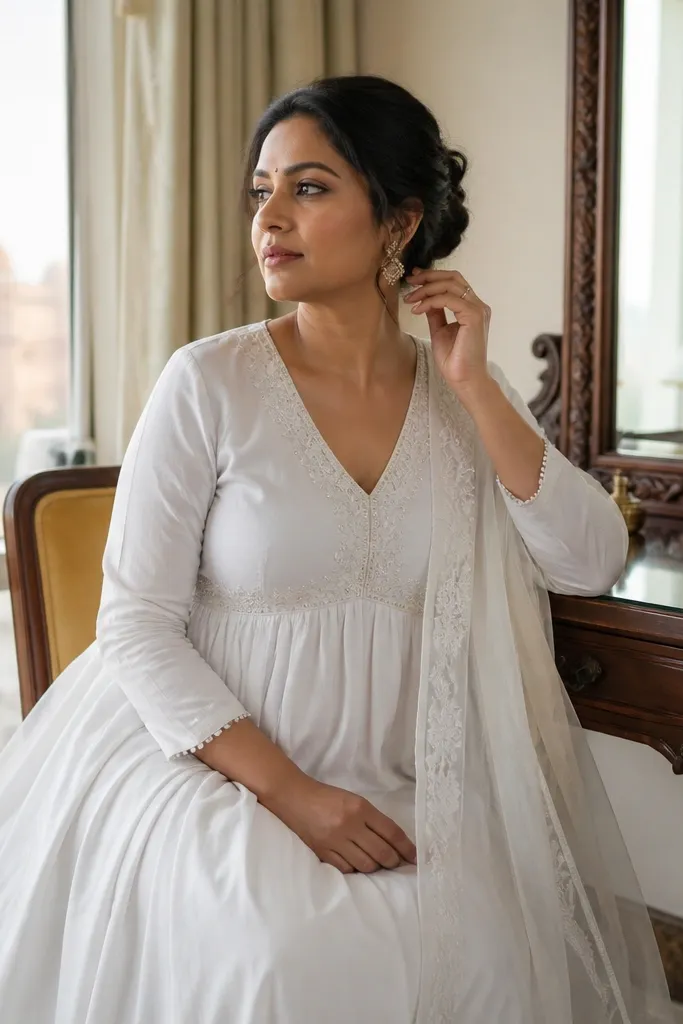
Start by choosing a seam under the bust and a skirt length that reaches the ankles or mid-calf. Then pick lightweight fabric like chiffon or soft crepe and line the bodice if the fabric is see-through in bright light. Finally, style with a simple dupatta that frames your face and falls down the front — fewer folds mean fewer creases.
An empire waist gown kurta is forgiving and beginner-friendly because the seam sits high under the bust, so fit doesn’t need to be perfect at the waist. The skirt falls smoothly and looks bridal without demanding a complicated dupatta setup. It’s also a smart choice if you want comfort for sitting, because the fabric hangs rather than clings. Keep embellishment concentrated above the seam and along the sleeves for a clean, photo-ready focus.
Skip thisSkip super thin fabric without lining — haldi lighting makes it look uneven.
Quick tipIf you’re doing hair up, choose a neckline that doesn’t fight your earrings — a modest V usually looks balanced.
7. Half-Pleat Lehenga Kameez (Lighter Than Full)
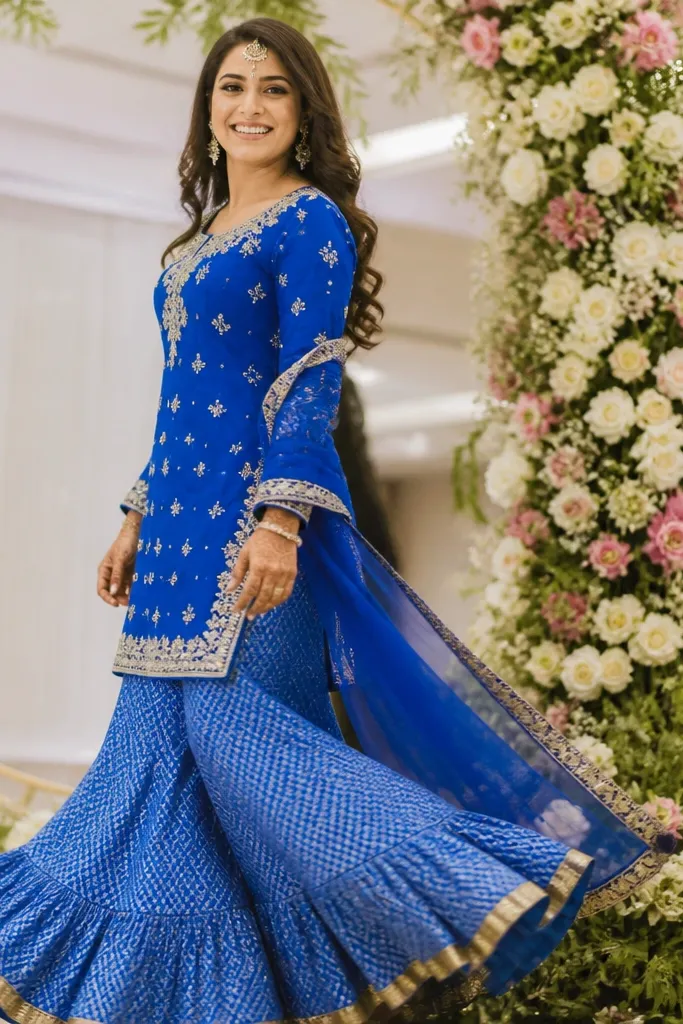
Start by choosing a skirt with pleats that start from the waist or just below, and keep the lining breathable. Then select a kameez that’s fitted through the torso and slightly flares or stays straight so the skirt pleats are the main visual. Finally, pick embroidery placement like neckline, sleeves, and front yoke, then finish with minimal work on the back so you can sit comfortably.
Half-pleat lehenga kameez gives you the bridal “wow” look while staying more comfortable than a full heavy lehenga. The pleats create movement at the hem, so you get that swish in photos without the weight dragging you down. This is a solid option for indoor haldi or a venue with AC, because the skirt has more structure and can feel warmer in open heat. If you want a dress that looks like a full set even with a simpler dupatta, this is it.
Skip thisDon’t choose a skirt that’s too long and puddles on the floor — turmeric stains show up fast on trailing hems.
Quick tipAsk the tailor to add a hidden inner hook at the waist — it keeps the pleats flat when you sit.
8. Kaftan-Style Haldi Dress with Soft Border
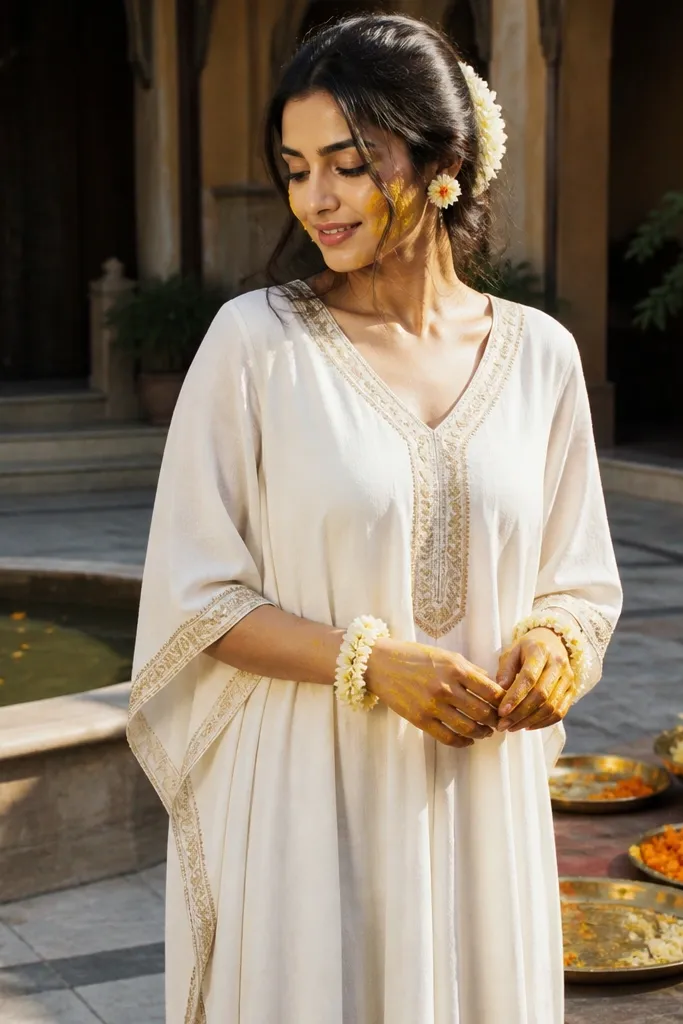
Start by picking a kaftan length that hits mid-calf or lower and choose a neckline that frames your face, like a deep round or V. Then add a light belt or subtle shaping at the waist if you want a more defined silhouette. Finally, keep the dupatta simple and drape it over one shoulder — the goal is one clean fall, not multiple layers.
A kaftan-style haldi dress is the easiest option for brides who want comfort first and still look dressed up. It’s loose through the body, so you can breathe, sit, and move without adjusting. The trick is to keep it bridal with a defined neckline and a border detail around the front or sleeves. This style looks great in warm weather because it doesn’t trap heat the way structured outfits do.
Skip thisAvoid ultra-sheer kaftans — bright indoor lighting makes the body outline look uneven.
Quick tipChoose a border color that’s slightly darker than the base shade so it reads clear in flash photos.
9. Floor-Length Anarkali with Minimal Embroidery
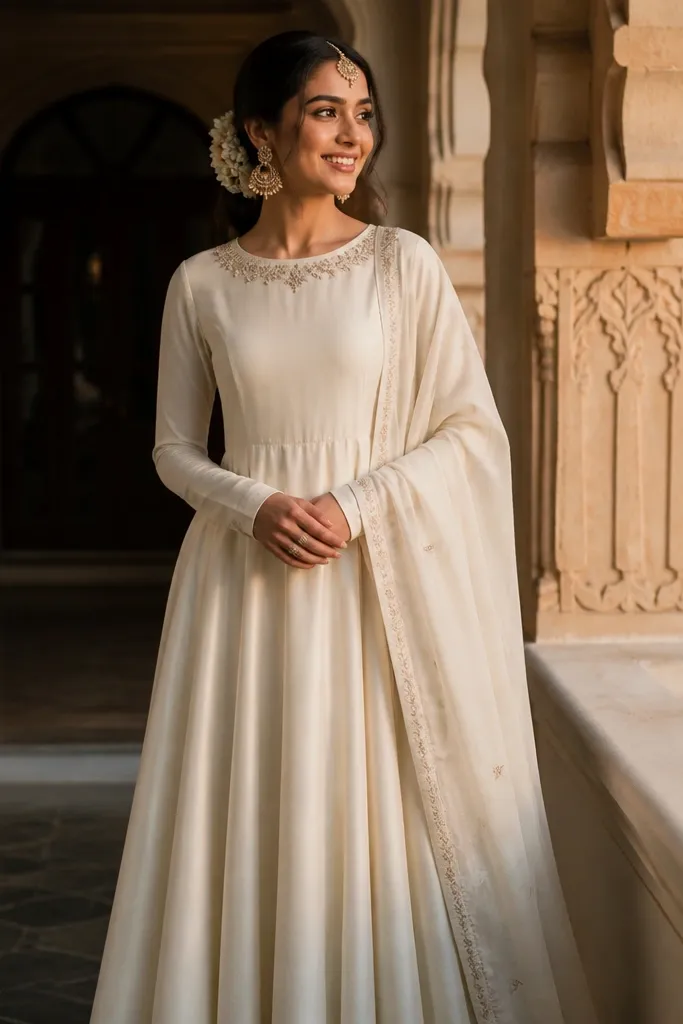
Start by selecting an anarkali that reaches the floor or just above it, then decide on a sleeve length you can move in comfortably. Next, keep embroidery concentrated on the neckline, sleeve cuff, and a front panel — skip scattered work across the skirt. Finally, match your dupatta weight to the fabric so it doesn’t pull the dress out of shape.
If you’re a first-time bride and you want an anarkali look without feeling overdone, go floor-length with minimal embroidery. The length gives bridal presence, and the minimal work keeps it comfortable while still looking intentional. This style is also forgiving because the silhouette does most of the flattering — you don’t need perfect tailoring at every seam. Choose a fabric with movement like crepe or georgette and let the drape be the feature.
Skip thisDon’t pick a heavy embroidered skirt if you’re planning a long haldi schedule.
Quick tipIf you’re getting your photos taken indoors, test the outfit under flash at home — minimal embroidery can disappear if the thread is too pale.
10. Straight-Set Suit with Statement Jaal Dupatta
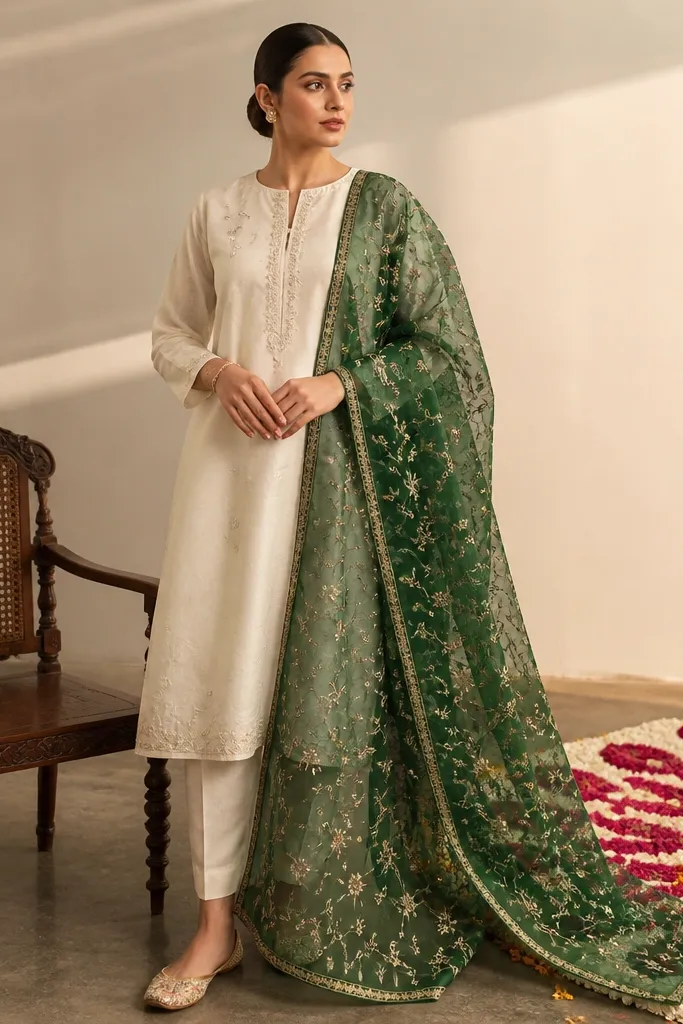
Start by choosing a kameez with simple seams and a neckline that flatters, like a V with a small border. Then pick a dupatta with a clear pattern — jaal, lattice, or a strong border — and ensure it’s not too stiff. Finally, pin the dupatta at the shoulder and let it fall straight down one side for a cleaner photo line.
A straight-set suit is beginner-friendly because you’re not dealing with flares, pleats, or complicated closures. The clean kameez keeps you comfortable, and the bridal look comes from the dupatta — a patterned jaal or border that frames your face. This is a smart choice if you want your outfit to look expensive in photos without heavy stitching on the main body. Keep the kameez fabric smooth and let the dupatta do the visual lifting.
Skip thisAvoid matching your dupatta and outfit in identical plain fabric — the look can feel unfinished.
Quick tipChoose a dupatta that doesn’t wrinkle easily — turmeric and sitting make creases show up fast.
11. Ruffle-Trim Front Kameez for Movement
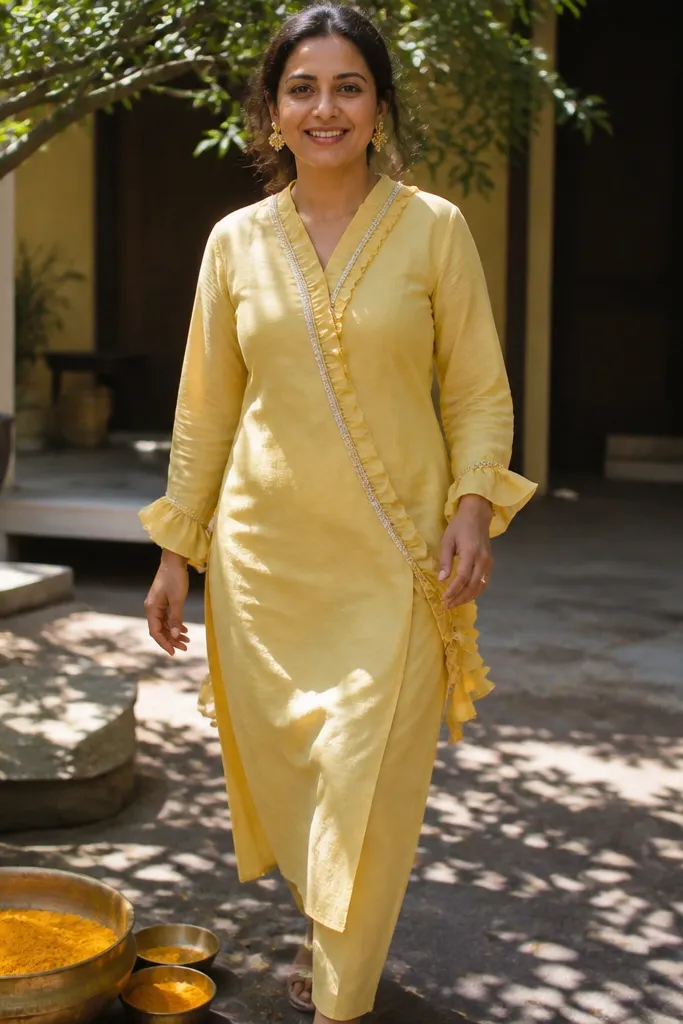
Ruffle-trim details look playful and bridal on haldi day, and they also help hide small fit inconsistencies. The ruffles create movement right where the camera focuses — the front — so you don’t need heavy embroidery everywhere. This style is beginner-friendly if you want something different from the usual anarkali, but you still want it to look intentional. Choose soft ruffles in the same fabric family so they drape instead of stand out.
Start by selecting a kameez with ruffles placed on the front panel or along the neckline edge, not on the entire body. Then keep sleeves simple so the outfit doesn’t feel busy while you’re moving. Finally, pair with straight or lightly flared pants and use a smooth dupatta to keep the silhouette clean.
Go for ruffles that are double-layered if your fabric is thin — single-layer ruffles can look uneven after a few hours.
Don’t choose ruffles in stiff net — they can catch turmeric and look stained quickly.
12. Tunic Kurta with Cigarette Pants
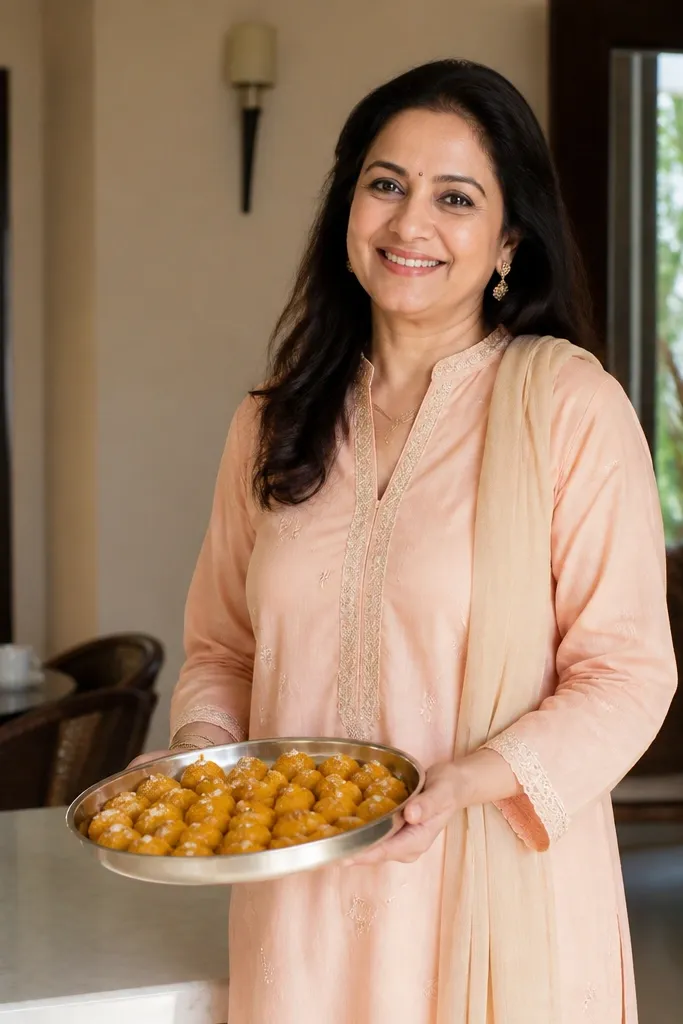
Start by choosing a tunic with a structured neckline and a front detail panel. Then pair with cigarette pants that fit snug at the ankle but don’t squeeze at the waist. Finally, keep your dupatta lightweight and drape it like a shawl over one shoulder so you don’t need constant readjusting.
This is for brides who want a haldi outfit that feels like an outfit, not a costume. Tunic kurtas with cigarette pants are easy to move in, and they photograph well because the lines stay clean. Choose a tunic that’s long enough to skim the hips and hits around mid-thigh or lower. The “bridal” part comes from neckline embroidery or a front placket detail, plus a dupatta that adds color.
Skip thisSkip very short tunics — they stop looking bridal once you sit and bend.
Quick tipPick a tunic with side slits if you’ll be walking around or sitting for long periods.
13. High-Low Bridal Kurta with Soft Flare
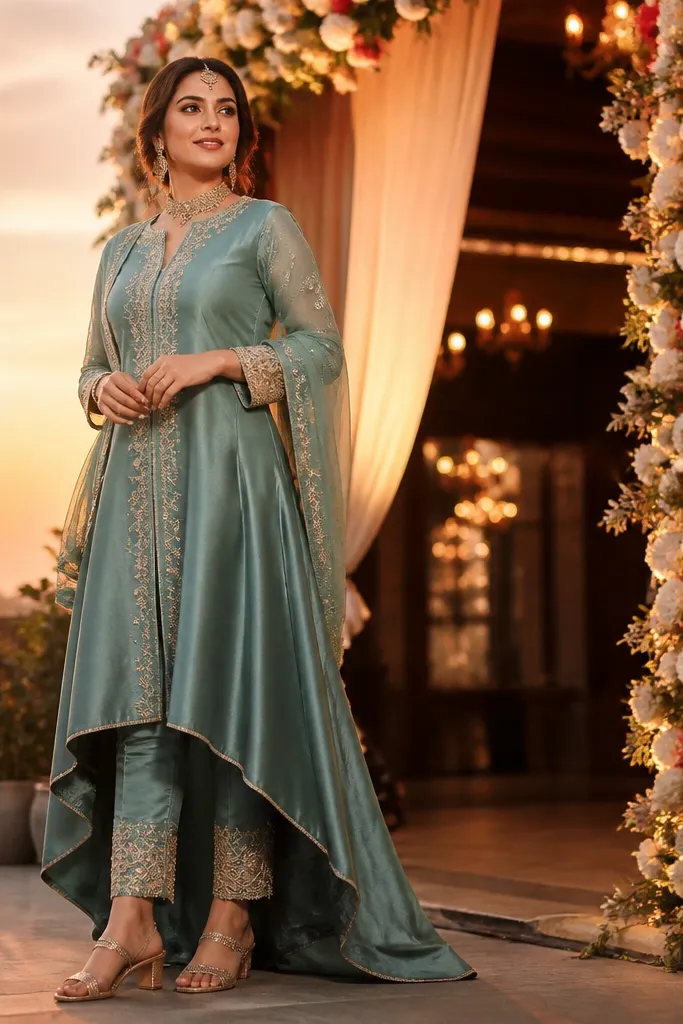
High-low kurtas look fancy in photos because the front stays neat while the back adds length and drama. It’s beginner-friendly because you get a flattering front silhouette without needing full floor length. The soft flare at the hem makes movement look natural, and the back length helps you feel bridal even when you’re not wearing a heavy lehenga. Choose a fabric that moves like crepe or georgette so the high-low transition looks smooth.
Start by selecting a kurta where the front hem hits around mid-thigh to knee level and the back reaches mid-calf. Then choose a hem finish that’s clean and not too jagged — smooth transitions look more expensive. Finally, pair with leggings or straight pants and drape the dupatta over the shoulder that matches your best earring side.
If your haldi is outdoors, go slightly heavier on the hem weight so it doesn’t cling in wind.
Don’t pick a high-low with a stiff hem — it can look like the fabric is “standing away” from your body.
14. Straight Kameez with Embellished Yoke and Plain Skirt
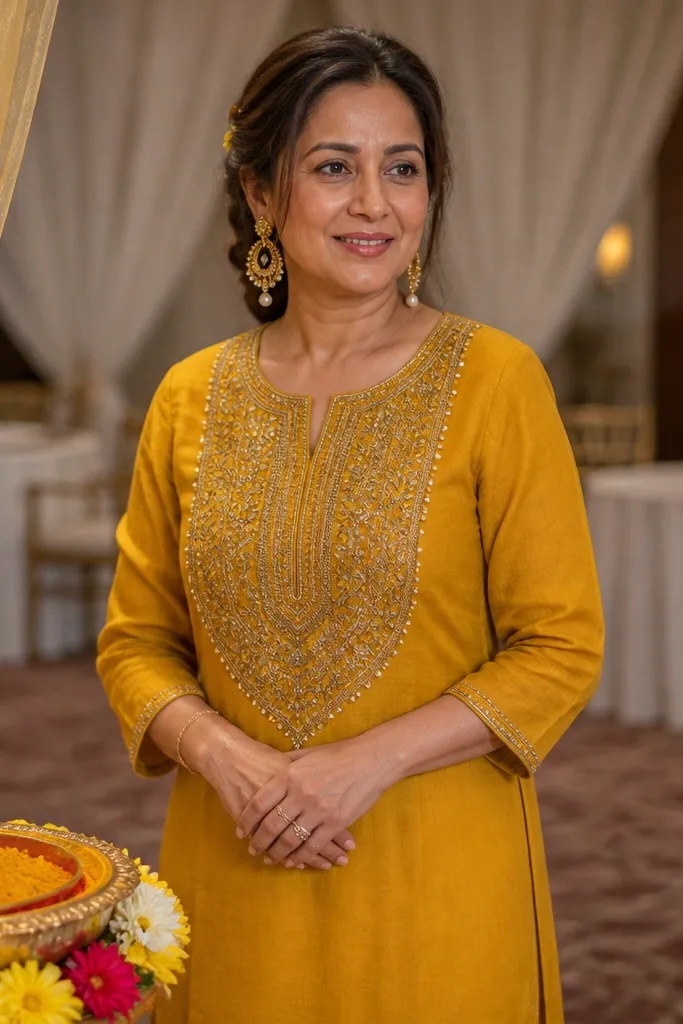
This one is for brides who want maximum impact with minimal complexity. The embellished yoke draws attention to your face and upper body, while the plain skirt section keeps the outfit comfortable and easy to wear through turmeric and sitting. It’s also beginner-friendly because you’re not relying on pleats or heavy layering to create shape — the yoke does it for you. Choose a yoke with beadwork, mirror work, or threadwork, but keep the skirt smooth so it doesn’t look bulky.
Start by choosing a kameez pattern that stays straight from waist to hem, then build the detailing on the yoke and sleeves only. Next, pick a skirt fabric that drapes — crepe or georgette — and avoid stiff fabrics that fight the straight line. Finally, match a dupatta with a border or small pattern so the whole look feels complete without heavy work on the main body.
If you’re doing lots of photos, keep the yoke detailing concentrated and avoid tiny scattered stones that blur in flash.
Skip an embellished yoke plus an embellished skirt — it can look busy and feel heavier than you want.
15. Bridal Saree-Style Draped Suit (Half-Saree Look)
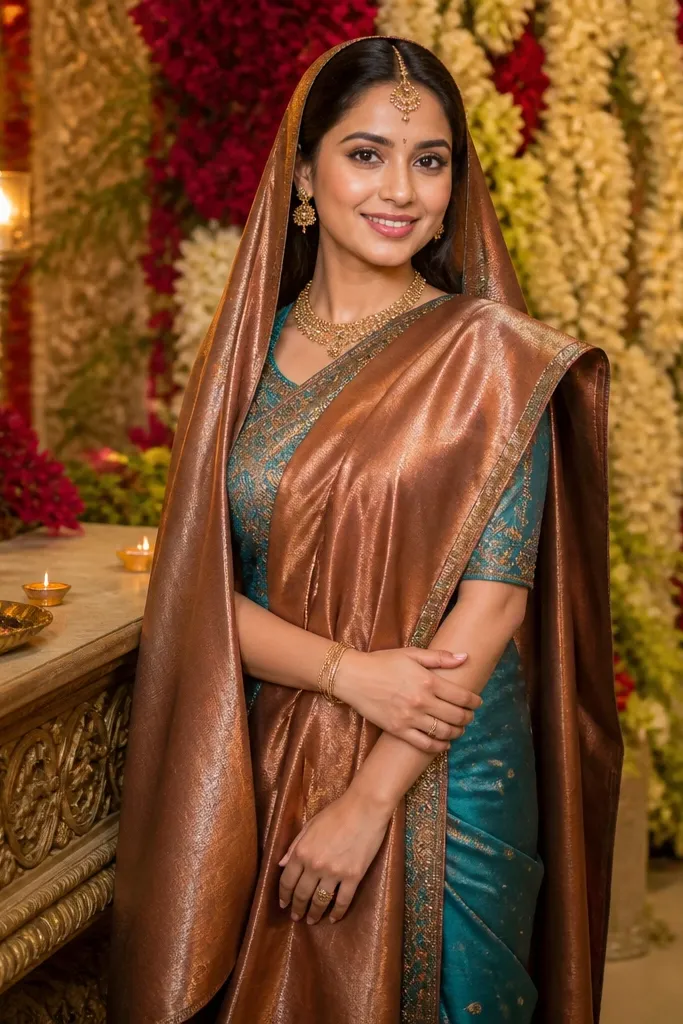
Start by choosing a draped suit pattern where the base is a kameez plus a pre-shaped lower with a drape panel. Then pick a pallu that’s long enough to frame your front without trailing too much. Finally, practice the drape once with pins before haldi day so you’re not figuring it out under daylight and rushing.
A bridal saree-style draped suit gives you the saree glamour without the full saree stress. The pallu drape looks romantic in photos, and the structured pieces under it keep you comfortable while you sit and move. This is a strong beginner-friendly option if you already like draping and want something that reads “wedding” instantly. Keep the fabric soft so the drape falls smoothly and doesn’t fight you.
Skip thisDon’t choose a pallu that’s too long — it drags on floors and stains faster.
Quick tipUse a slightly heavier pallu fabric than your kameez so the drape holds its shape in wind.